Data center investment gets discussed in national headlines mostly around hyperscale campuses in Virginia or Texas, but the category includes a much wider range of facility sizes, and colocation and edge facilities serving regional business needs exist in and around metro Detroit's tech and manufacturing corridors. For an investor used to evaluating multifamily or retail, data centers require a different underwriting lens built around infrastructure capacity rather than foot traffic or population growth.
Hyperscale Versus Colocation Versus Edge
Hyperscale data centers, built for a single major cloud or tech tenant on a long-term lease, sit at one end of the spectrum and typically require capital well beyond what an individual or small-group investor can access directly. Colocation facilities lease rack space and power to multiple business tenants under shorter terms, resembling a multi-tenant office building more than a single-tenant net lease deal. Edge facilities, smaller and positioned closer to end users to reduce latency, are the segment most likely to show up as a realistic acquisition target for a regional investor rather than an institutional fund.
Power Availability Is the Real Constraint, Not Land
Unlike most commercial property types, a data center's viability depends far more on available electrical capacity than on the buildable land underneath it. Utility power delivery, redundancy, and the cost of upgrading service to a site can make or break a project regardless of how attractive the location looks otherwise, and buyers evaluating an existing facility should confirm actual utility contracts and available capacity rather than relying on stated specifications from a marketing package.
Lease Structures Look More Like Net Lease Than Multifamily
A single-tenant data center lease functions similarly to a triple net lease on a retail or industrial building, with the tenant typically responsible for most operating costs and a long initial term reflecting the tenant's own capital investment in servers and cooling infrastructure. Multi-tenant colocation facilities operate more like an office or flex building, with the landlord or operator responsible for shared infrastructure and individual tenants leasing defined capacity within it.
Michigan's Position in the Data Center Map
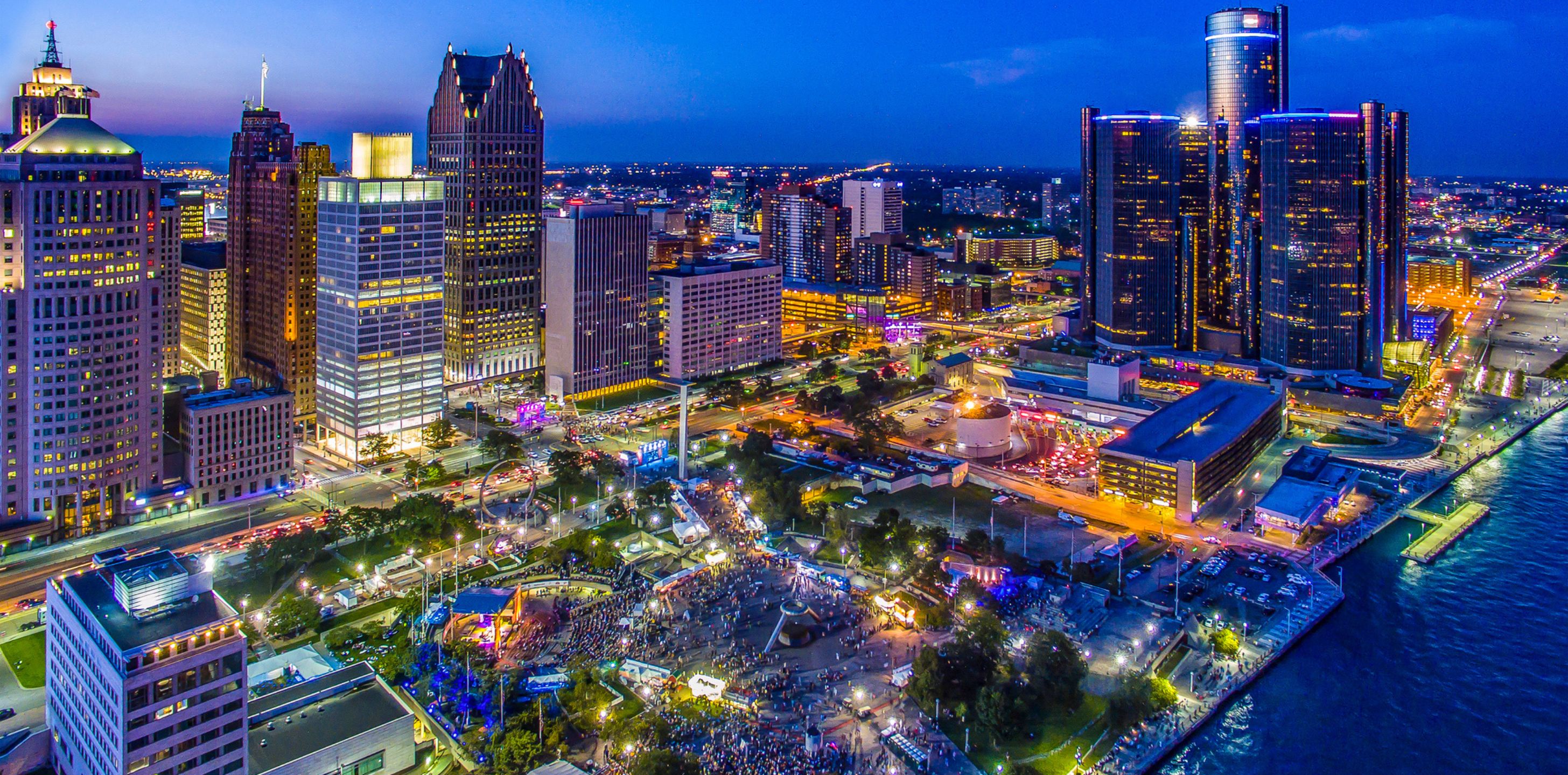
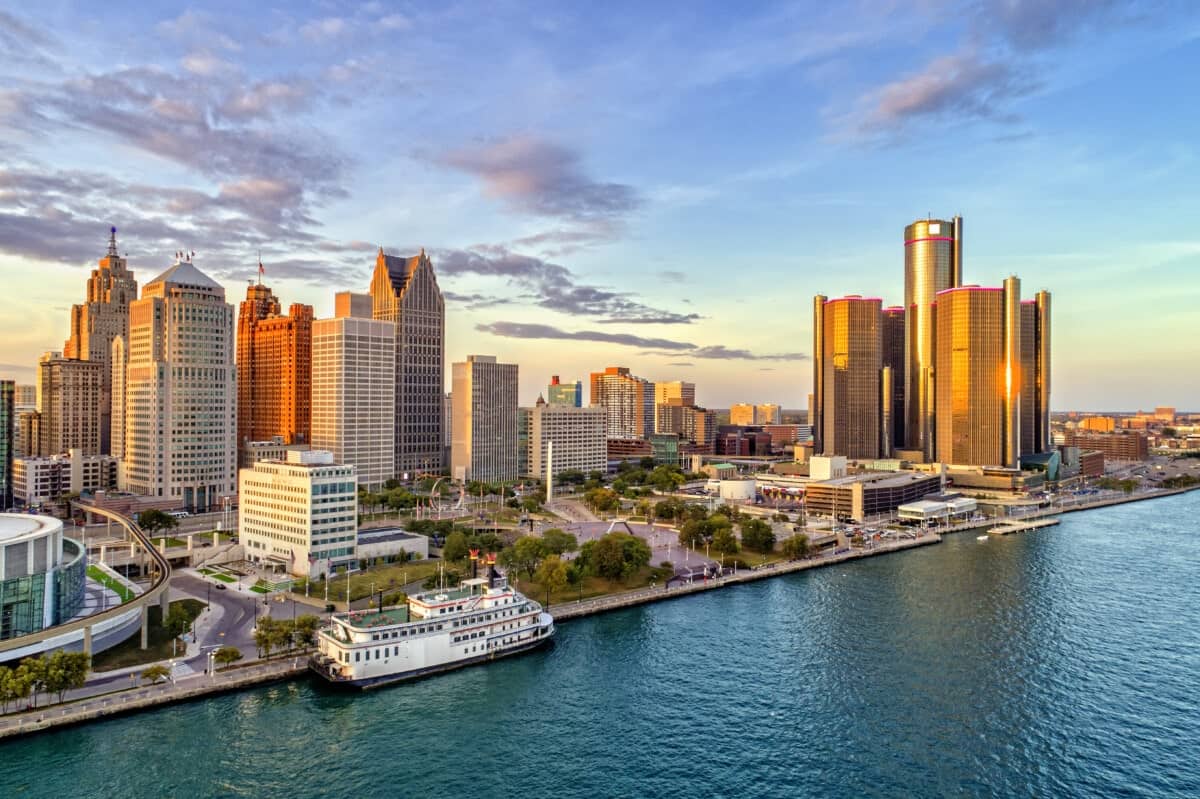
Michigan isn't a top-tier national data center market on the scale of Northern Virginia, but the state's relatively low natural disaster risk, available industrial land, and existing fiber and power infrastructure around metro Detroit have supported a growing footprint of smaller and mid-sized facilities serving regional business and healthcare tenants who want lower latency than a distant hyperscale campus can offer.
Cooling and Redundancy Add Another Layer of Diligence
Beyond power delivery, a data center's cooling system and backup redundancy, generators, uninterruptible power supplies, and N+1 or 2N configurations depending on the tenant's requirements, represent a significant share of the building's replacement cost and ongoing maintenance obligation. A buyer should confirm which party is responsible for maintaining and eventually replacing this equipment under the lease, since a landlord who inherits that obligation without pricing it into rent can find the asset far more capital-intensive than a typical net lease building.
Data Centers as 1031 Replacement Property
A single-tenant data center building can qualify as like-kind replacement property the same as any other net-leased commercial real estate, and the long lease terms typical of the category appeal to exchangers who want minimal ongoing management. Direct ownership of a data center facility large enough to interest an institutional tenant is out of reach for most individual exchangers, which is why a Delaware Statutory Trust holding a fractional interest in data center real estate has become a more accessible route for investors who want exposure to the sector without the acquisition size a whole facility requires.
Common 1031 Exchange Questions
What's the difference between hyperscale and colocation data centers?
Hyperscale facilities are built for a single major tenant on a long lease and require institutional-scale capital. Colocation facilities lease rack space and power to multiple business tenants under shorter terms, more like a multi-tenant office building.
Why is power availability more important than land in data center investing?
A facility's viability depends on available electrical capacity and utility infrastructure far more than on buildable land. Confirming actual utility contracts and capacity is a more important part of due diligence than the site's size or location alone.
Is Michigan a major data center market?
Not on the scale of Northern Virginia, but the state's low natural disaster risk and existing power and fiber infrastructure have supported growth in smaller and mid-sized facilities serving regional business and healthcare tenants.
Can a data center qualify as 1031 exchange replacement property?
Yes, when held for investment or business use, similar to other net-leased commercial real estate. The long lease terms typical of the category appeal to exchangers seeking lower ongoing management responsibility.
How do most individual investors get exposure to data center real estate?
Direct ownership of an institutional-scale facility is generally out of reach for individual buyers, so a Delaware Statutory Trust holding a fractional interest in data center assets is a more common and accessible route.
Who is typically responsible for cooling and backup power equipment?
Responsibility varies by lease, but a buyer should confirm this before acquisition, since generators, UPS systems, and redundant cooling represent a significant share of a data center's replacement cost and ongoing maintenance obligation.