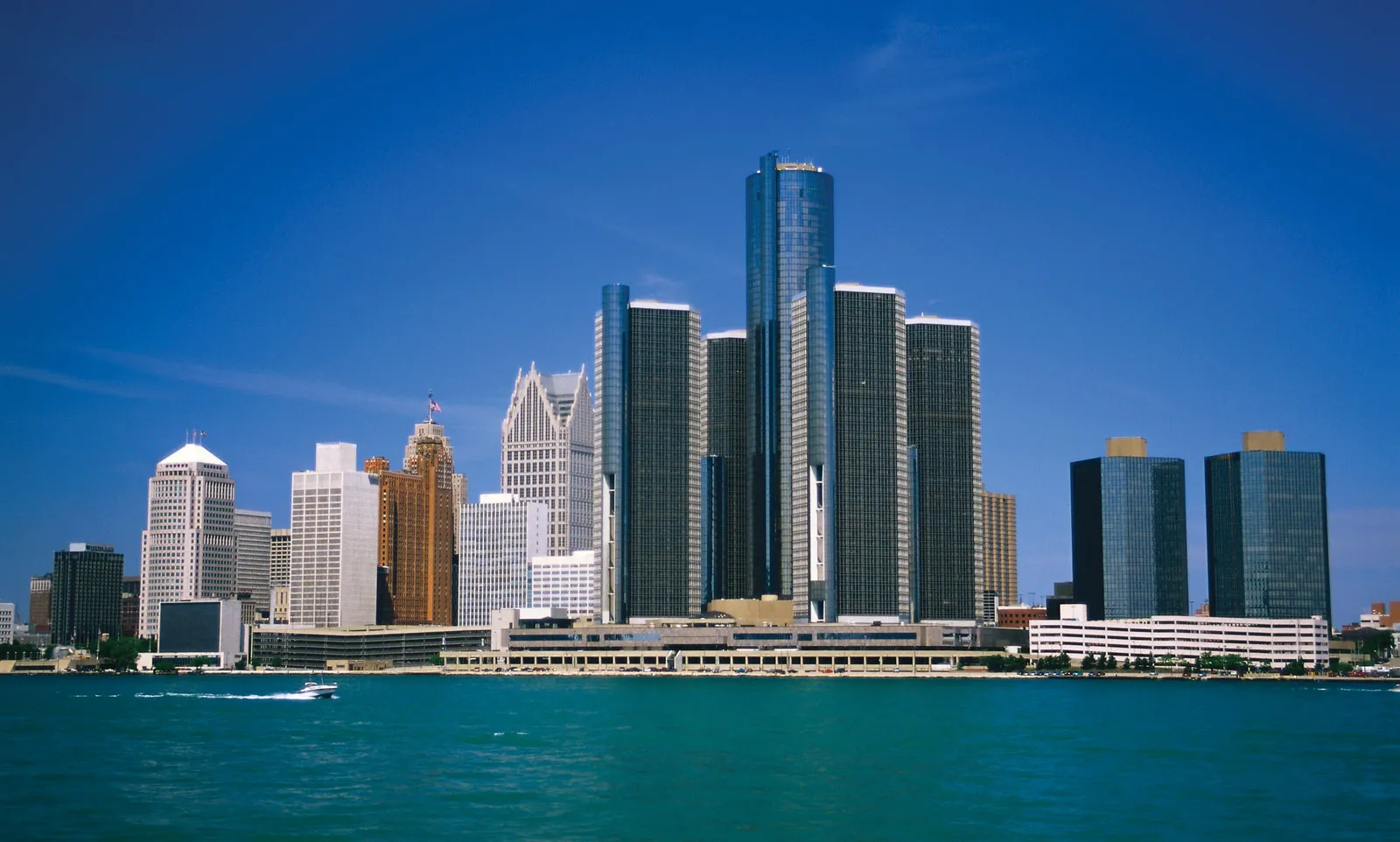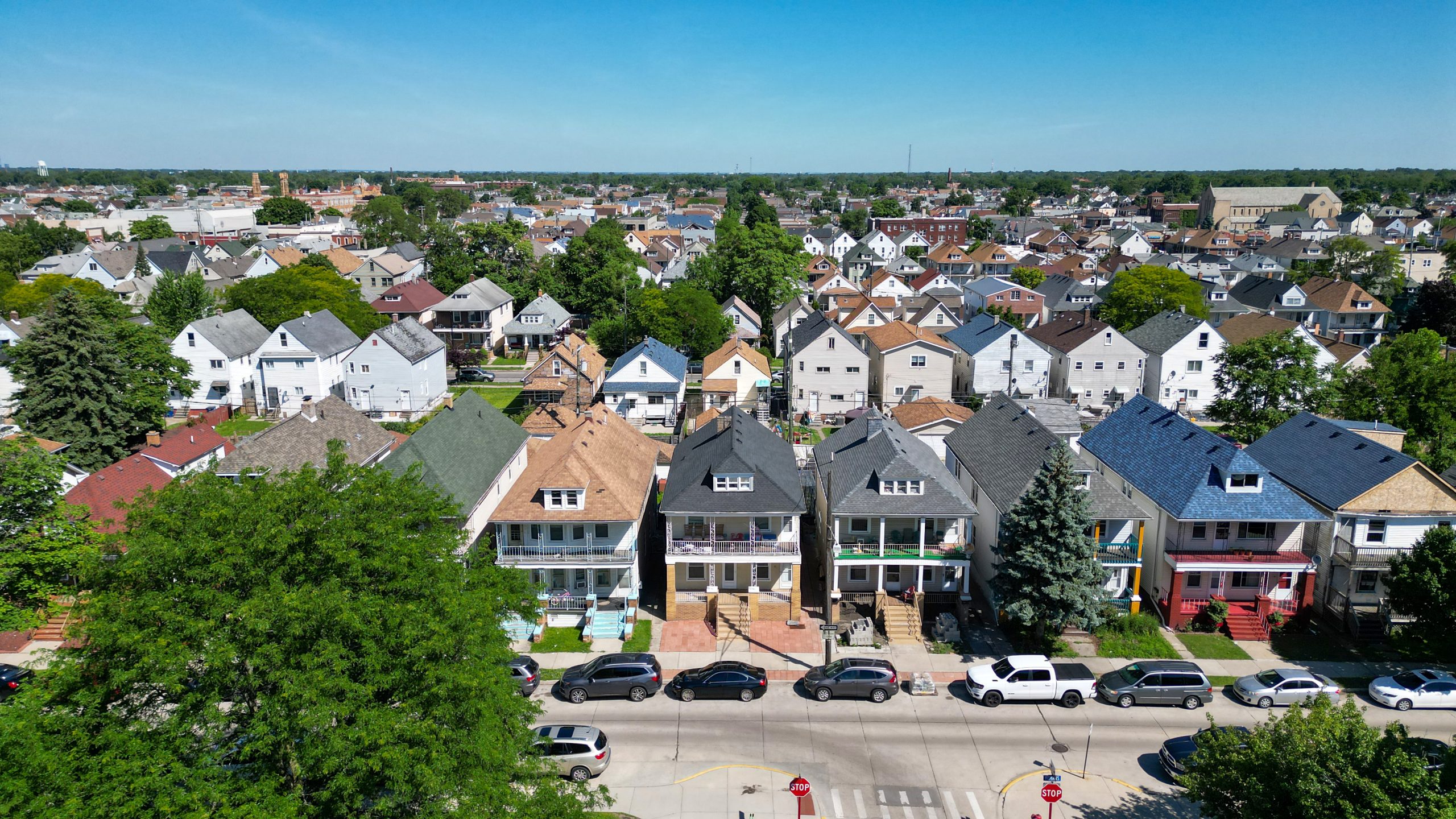
Pricing a Detroit replacement property against a citywide average is one of the more reliable ways to misprice it, since basis can shift meaningfully within a few blocks depending on land-bank history, prior use, and how far a specific stretch of a corridor has recovered. A useful comparable set is built at the corridor or neighborhood level, not the metro level, and it is checked against the exact asset class and geography named on the identification list rather than a general market summary.
Two buildings a few blocks apart can carry noticeably different basis once one sits closer to an active land-bank disposition parcel and the other sits in a stretch that has already stabilized, which is exactly the kind of distinction a metro-level average erases.
Why Metro-Level Averages Mislead on a Detroit Deal
A single blended cap rate or price-per-square-foot figure for the city hides enormous variance between a Midtown office conversion, a supplier-corridor industrial building, and a small multifamily property near land-bank inventory. We start every comparable analysis by narrowing to the specific submarket and asset type first, then pull sales and lease data from that narrower set, rather than adjusting a citywide number down or up based on a hunch about how a particular block compares.
What Goes Into a Defensible Comparable Set
A comparable set that can survive a lender's review or a later dispute needs specific inputs rather than a general sense of the neighborhood:
- Sale price, date, and financing terms for each comparable transaction, adjusted for any seller concessions
- Building condition, age, and prior use, since former industrial or municipal buildings often carry different basis than ground-up product
- Rent roll and actual lease term data for income comparables, rather than headline asking rents alone
- Distance and corridor relationship to the subject property, since a comp two miles away in a different corridor may not actually be comparable
We also note whether a comparable sale was marketed openly or moved through a limited, off-market process, since a quiet insider transaction can understate what the same property would fetch with a full marketing period behind it.
Reading the Downtown and Midtown Recovery Correctly
Office and multifamily pricing in downtown and Midtown has moved meaningfully as those areas have recovered, which means a comparable sale from three or four years ago may already understate current basis, while a comparable from the last twelve months may reflect a building in a different stage of lease-up than the subject property. We weight recency heavily in these submarkets specifically because the pace of change has been faster there than in more stable suburban comparables.
Where Land-Bank History Distorts the Data
Sales involving land-bank-adjacent parcels or properties that moved through tax foreclosure can show artificially low prices that do not reflect market value for a stabilized, income-producing asset, and including them in a comparable set without adjustment skews the analysis downward. We flag these transactions separately and either exclude them or adjust for the distressed-sale context rather than blending them into the general comparable pool. A single unadjusted distressed sale can pull an average down enough to make an otherwise fair offer look overpriced on paper.
Handing the Range to the Rest of the Team
The output is a defensible price range, not a single number, along with the reasoning behind it, so the investor, the lender, and the tax advisor are working from the same comparable logic during identification, underwriting, and any later review. That shared range is what lets offer discipline hold up under negotiation instead of drifting based on whichever comp gets mentioned in conversation that week.
We update the range whenever a new closed sale becomes available in the relevant corridor, since a single fresh data point in a thin submarket can shift the defensible range meaningfully, and an offer built on a three-month-old range can look out of step with the market by the time a Detroit closing actually happens.
Common 1031 Exchange Questions
Why avoid using a citywide average cap rate for a Detroit replacement property?
Basis and cap rates vary too much block to block and corridor to corridor in Detroit for a citywide average to be reliable for a specific acquisition decision; a comparable set built from the actual submarket and asset class gives a far more defensible number.
How do land-bank-related sales affect comparable pricing?
Sales that moved through tax foreclosure or land-bank disposition often reflect distressed pricing rather than stabilized market value, so we flag and separately weigh these transactions rather than blending them directly into a standard comparable set.
Does a comparable analysis account for a tenant's lease term and credit?
Yes, for income-producing property we pull rent roll and lease term data rather than relying only on asking rents, since actual lease structure materially affects what a comparable sale is really telling you about value.
How recent do comparables need to be in downtown or Midtown Detroit?
Given how quickly pricing has moved in these submarkets during their recovery, we weight the most recent twelve to eighteen months of sales more heavily than older transactions, which may already understate current basis.
Can this analysis support a lender's underwriting as well as your own offer decision?
Yes, we build the comparable set to hold up under a lender's review as well as inform the investor's own offer discipline, which is part of why the source data and adjustments are documented rather than presented as a bare conclusion.