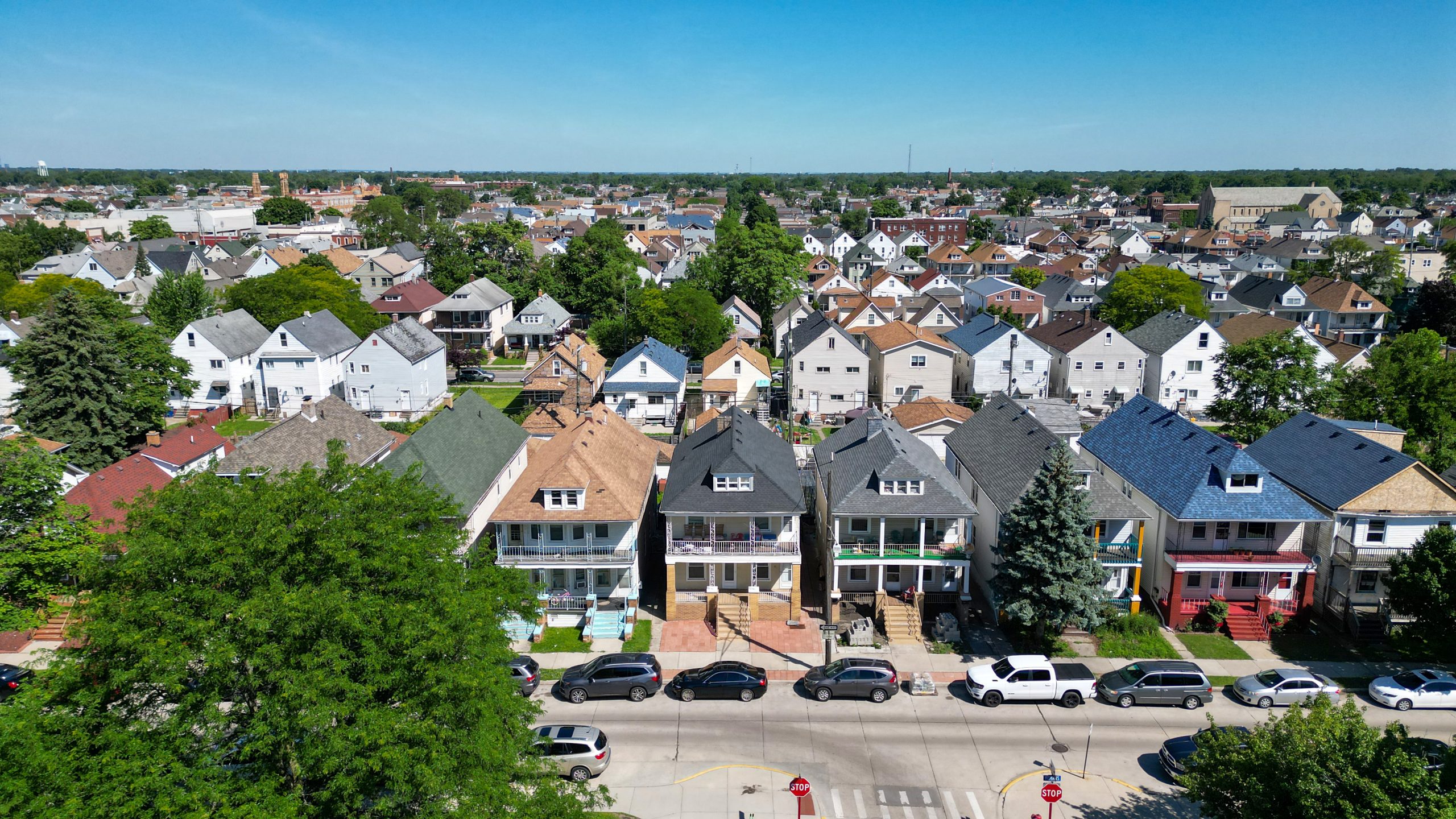
Because Detroit's price basis can vary meaningfully from one block to the next, a lender reviewing a replacement property here often needs more context than a standard suburban file requires, and getting that context in front of the lender before the identification list is finalized saves time the exchange calendar does not have to spare. We treat lender preflight as its own budget line, separate from property underwriting, because financing risk and property risk do not always move together.
What a Preflight Package Actually Contains
Rather than waiting for a lender to raise questions mid-underwriting, we assemble a preflight package covering the investor's exchange timeline, the relinquished-property proceeds and debt payoff figures, and a preliminary look at the candidate replacement asset's basis relative to recent comparable sales in that specific submarket. Handing a lender this context before a formal application tends to surface conditions early rather than at the worst possible point in the closing schedule.
Sizing Debt Against the Relinquished Proceeds
The replacement loan amount needs to be sized with the mortgage boot calculation already in mind, not adjusted after the fact once a term sheet is signed. We run the debt-sizing conversation with the lender using the same running figures used for the boot calculation, relinquished-side debt payoff and equity against replacement-side purchase price and financing, so the loan amount that gets quoted fits the exchange as a whole and not only the property being financed.
A lender quoting a loan based purely on the replacement property's own cash flow, without reference to what debt was paid off on the relinquished sale, can hand an investor a number that looks attractive on the term sheet but creates an unnecessary boot exposure once the full exchange picture is compared side by side.
Where Block-by-Block Basis Creates Lender Friction
A lender unfamiliar with a specific Detroit neighborhood or corridor may default to a conservative basis assumption that does not reflect the actual comparable sales nearby, which can slow underwriting or reduce the quoted loan amount. We address this directly with a defensible comparable set built for that exact block or corridor rather than a citywide average that either overstates or understates the real basis:
- Recent comparable sales within the same corridor or neighborhood, not citywide averages
- Asset-specific condition and use factors that explain any variance from nearby comps
- Rent roll or lease data supporting income-based valuation where applicable
- Any land-bank or municipal history on the parcel that a lender would otherwise flag independently
Keeping the Lender Inside the Exchange Calendar
A lender's underwriting timeline does not automatically adjust itself to the 45-day identification or 180-day closing deadlines, so we put the exchange calendar in front of the lender at the start of the relationship, not as a surprise once the clock is already tight. Lenders who understand the fixed deadline upfront are generally more willing to prioritize the file appropriately than one that discovers the constraint midway through underwriting.
This is particularly true for community banks and regional lenders active in Detroit's smaller commercial deals, where underwriting staff may be juggling several files at once and simply were not told a specific deadline existed until an investor's broker mentioned it in passing during week nine.
What Happens When Preflight Surfaces a Problem Early
If a preflight conversation reveals that a specific lender is not comfortable with a candidate property's basis or location, that is far more useful to learn in week two than in week thirty, since there is still time to either bring stronger comparable support or pivot the identification list toward a different lender or a different property. Preflight work exists specifically to move that discovery earlier in the process, and in practice it is the single step that most often prevents a financing surprise from showing up during the tightest part of the closing schedule.
Common 1031 Exchange Questions
Why does financing readiness need its own coordination step separate from property diligence?
A lender's comfort with a property's location and basis is a distinct question from whether the property itself is a sound acquisition, and treating them as one conversation can hide a financing problem until it is too late in the schedule to fix.
How does mortgage boot connect to lender preflight?
The loan amount a lender is willing to offer directly affects whether the replacement debt matches or falls short of the relinquished-property debt payoff, which is the core mortgage boot calculation, so we coordinate loan sizing and boot analysis together rather than separately.
Do lenders treat Detroit neighborhoods differently for underwriting purposes?
Lenders less familiar with a specific corridor or neighborhood sometimes apply more conservative basis assumptions than local comparable sales support, which is why we bring a defensible, block-specific comparable set to the conversation rather than relying on a citywide average.
When should you start the lender preflight conversation relative to your identification deadline?
As early as possible, ideally before the 45-day identification list is finalized, since surfacing a lender's concerns before the list is locked leaves room to adjust either the financing approach or the property choice.
Can preflight coordination help with a DST allocation as well as a direct purchase?
DST allocations are generally sponsor-financed rather than individually underwritten by the investor's own lender, so preflight coordination applies mainly to direct property purchases, though we still confirm how any DST debt structure interacts with the investor's overall exchange figures.