Downtown and Midtown Detroit run on two different clocks: newer riverfront and Campus Martius-area buildings trade like stabilized urban assets, while a meaningful share of the remaining stock in Corktown, New Center, and Eastern Market is still mid-repositioning. An investor has to know which category a candidate falls into before the numbers can be trusted.
Campus Martius and the Riverfront Carry Stabilized Institutional Pricing
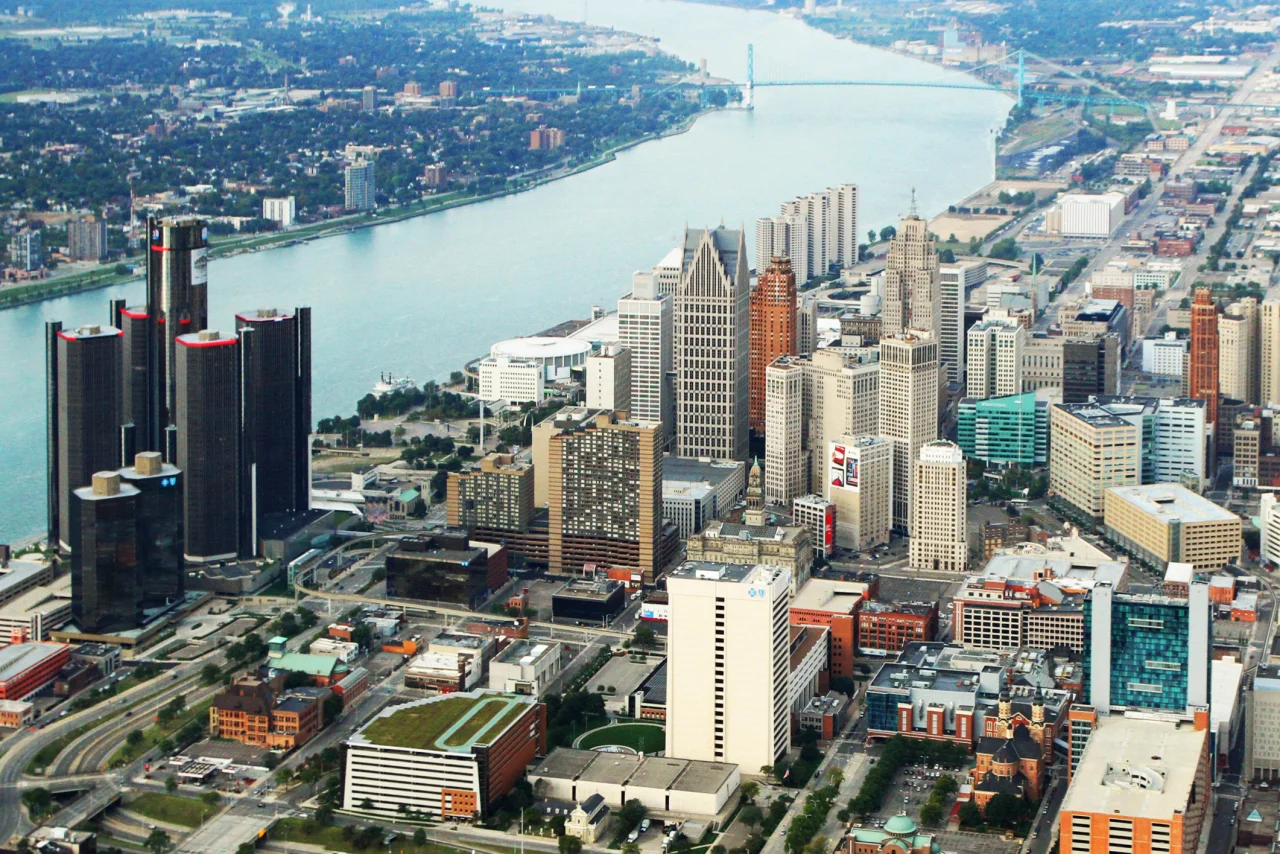
Office and mixed-use buildings near Campus Martius, Hart Plaza, and the riverfront have largely completed their post-redevelopment repositioning and now price close to institutional-grade urban comparables, with rent rolls that reflect real occupancy rather than a redevelopment story.
These are the closest thing downtown Detroit offers to a turnkey exchange replacement.
An investor should still verify the rent roll against actual signed leases rather than a marketing brochure's stated occupancy, since even a stabilized-looking downtown building can carry a handful of expiring leases that haven't been renewed yet.
Corktown And Midtown Adaptive Reuse Needs A Capital Plan
Buildings in Corktown and pockets of Midtown are frequently sold as adaptive-reuse or partial-conversion candidates, and an investor treating one of these as immediate stabilized income is underwriting the wrong building.
The capital budget for build-out, code work, and lease-up carrying costs needs its own line in the pro forma, separate from the acquisition price.
A buyer should also confirm what entitlements or zoning approvals the conversion plan actually has in hand, since a redevelopment story that depends on a future zoning change carries meaningfully more risk than one already approved.
What a Downtown Identification List Should Separate Out
Downtown and Midtown candidates fall into a small number of clearly different buckets.
- Stabilized office and mixed-use near Campus Martius and the riverfront
- Adaptive-reuse candidates in Corktown and Midtown
- Medical office near the New Center health corridor
- Industrial infill and flex space near Eastern Market and Rivertown
QLine and Riverfront Access Change the Rent Comparable, Block by Block
Proximity to QLine stops and continuous riverfront frontage measurably changes achievable rent even within a few blocks, so comparable sales should be filtered by walkable access to those amenities rather than treated as one flat downtown number. A building two blocks off the line can rent meaningfully lower than one directly on it.
Financing Downtown Detroit on an Exchange Deadline
Lenders split downtown Detroit into the same two buckets an investor should already be using: stabilized buildings that underwrite like any other income property, and repositioning or adaptive-reuse buildings that require a bridge structure or a lender with specific urban-redevelopment experience.
An investor should confirm which bucket a candidate falls into with the lender well before the identification deadline, and get that classification in writing so the qualified intermediary and tax advisor can plan the exchange documents around the real financing structure rather than an assumed one.
An investor should also ask the lender for a written timeline on the appraisal and underwriting process specific to downtown Detroit properties, since urban redevelopment lenders sometimes carry longer internal review cycles than a standard suburban commercial loan.
Common 1031 Exchange Questions
How do you know if a downtown Detroit building is stabilized or still repositioning?
Check whether the rent roll reflects real, signed occupancy or a redevelopment story tied to future leasing. Buildings near Campus Martius and the riverfront have mostly completed that transition; parts of Corktown and Midtown are still mid-repositioning, and the two should never be underwritten the same way. Also verify the rent roll against actual signed leases rather than a marketing brochure's stated occupancy, since even a stabilized-looking building can carry expiring leases that haven't been renewed yet.
What belongs in the capital budget for a Corktown adaptive-reuse candidate?
Build-out costs, code compliance work, and lease-up carrying costs each need their own line in the pro forma, separate from the acquisition price. Treating an adaptive-reuse building as immediate stabilized income is the most common mistake in this submarket. Confirm what entitlements or zoning approvals the conversion plan actually has in hand, since a redevelopment story that depends on a future zoning change carries meaningfully more risk than one already approved.
Does proximity to the QLine or the riverfront really change achievable rent?
Yes, measurably, and often within just a few blocks. Filter comparable sales by walkable access to those amenities rather than treating downtown Detroit as one flat number. Ask the seller for foot-traffic or transit-ridership data specific to the block, not only the general downtown figures, since that data is what actually supports the rent difference block to block.
How does financing differ between a stabilized downtown building and a repositioning candidate?
Stabilized buildings near Campus Martius underwrite like any other income property. Repositioning or adaptive-reuse candidates typically need a bridge structure or a lender with specific urban-redevelopment experience, and getting that classification confirmed in writing early protects your exchange timeline. Get a written timeline from the lender on their specific downtown Detroit review process, since urban-redevelopment lenders sometimes carry longer internal review cycles than a standard suburban loan.
Which submarkets make sense as backup candidates for a downtown Detroit identification?
Dearborn, Warren, Ferndale, Grosse Pointe, and Ann Arbor each offer a genuinely different property profile, which is useful if your downtown candidate turns out to need more repositioning work than expected once diligence starts. Confirm financing feasibility on whichever backup candidate looks strongest before you finalize your downtown identification, so you aren't choosing between two untested options at the same time.