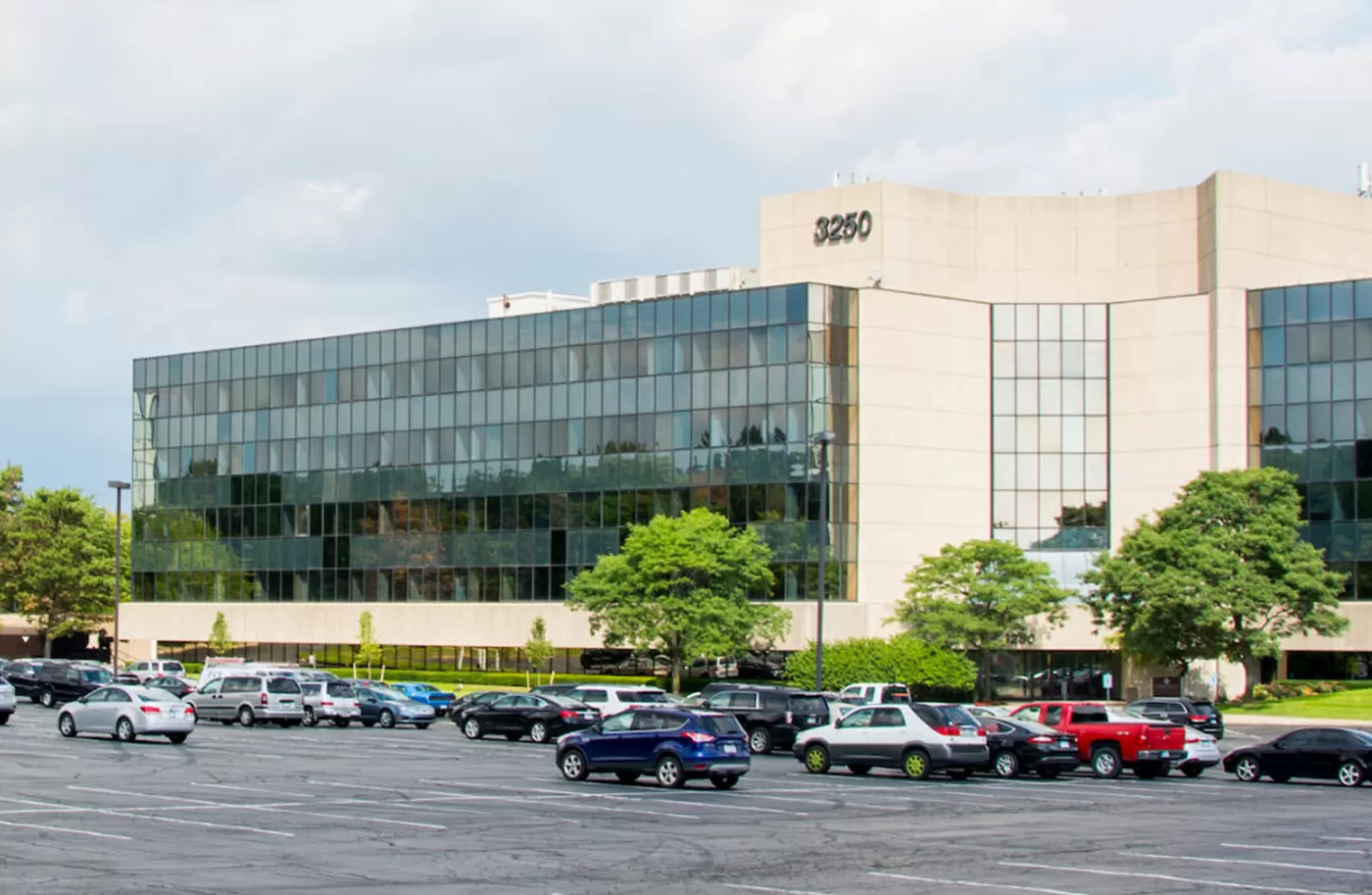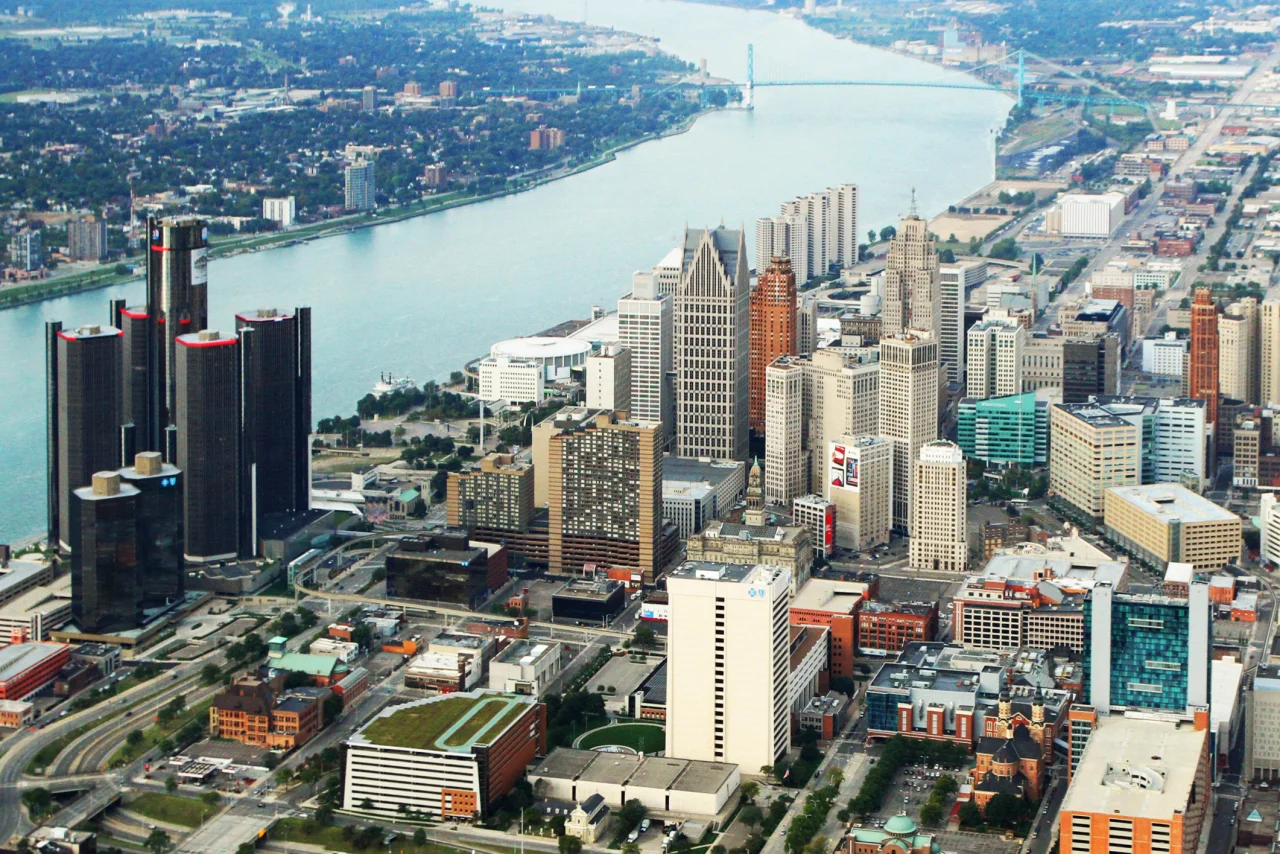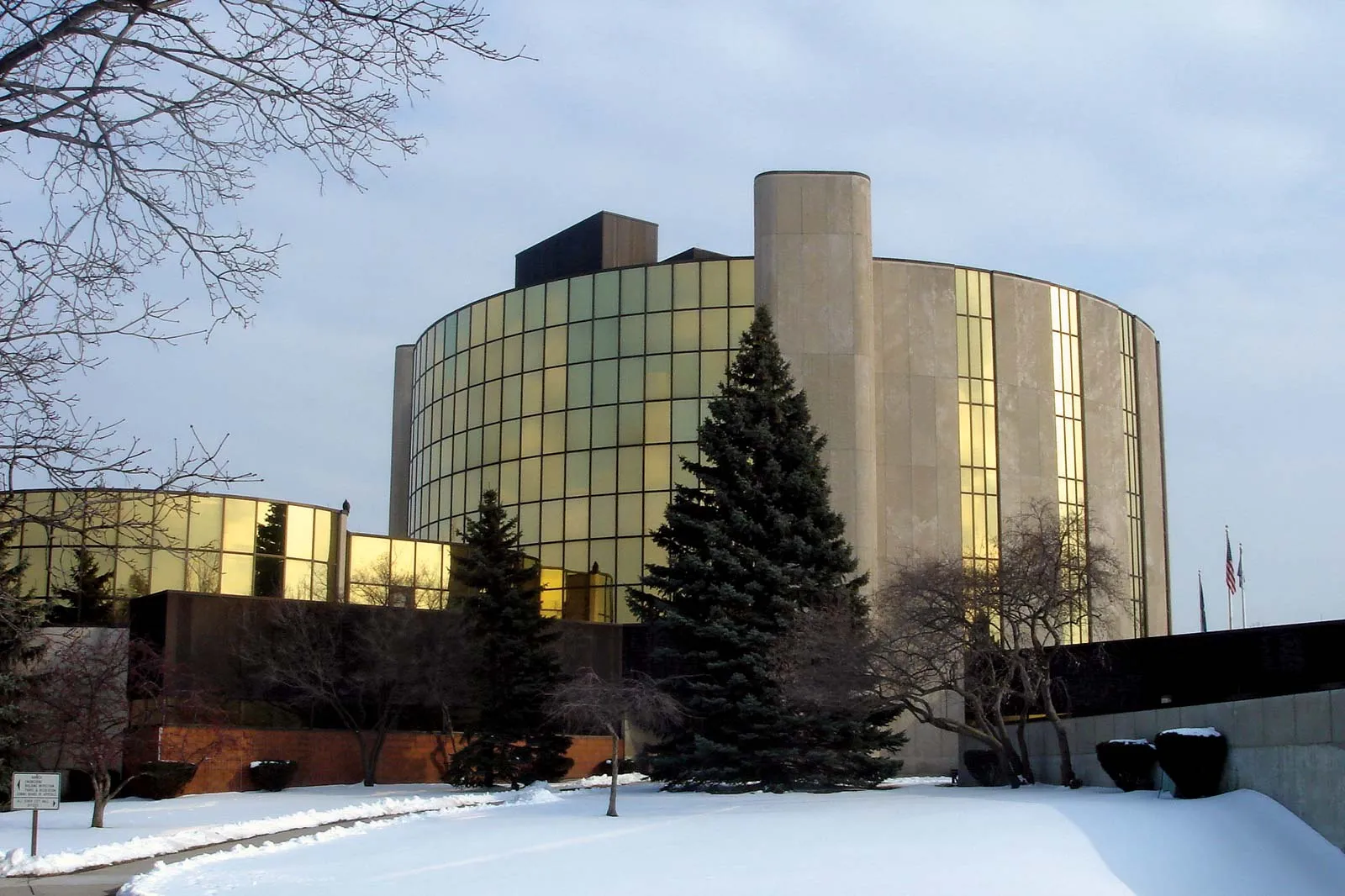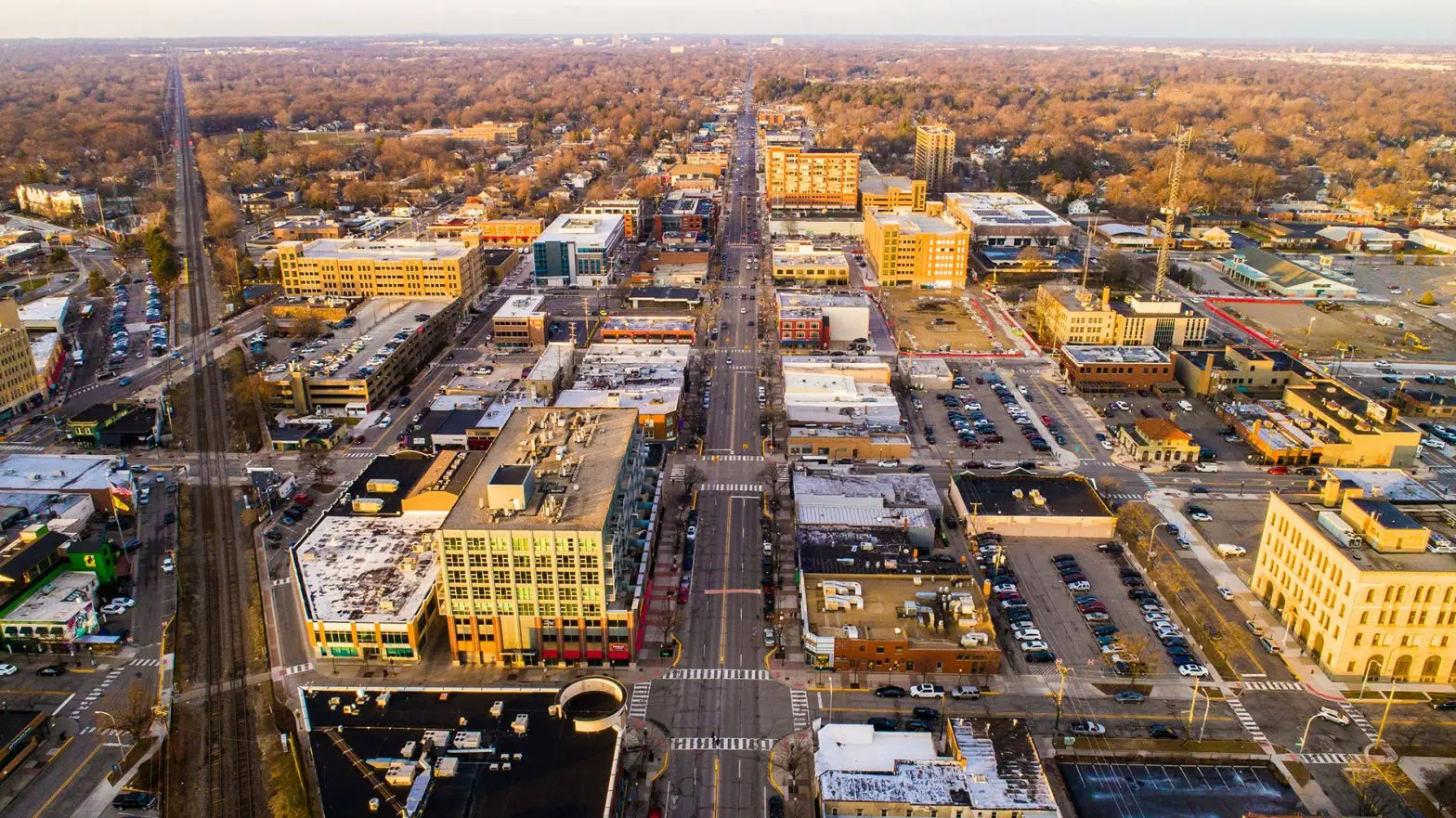
Southfield built its identity as Oakland County's suburban office capital, with corporate towers along Telegraph Road and the Lodge Freeway framed by Southfield Town Center and Lawrence Technological University. That office-heavy history is now also its central challenge, since post-2020 vacancy has hit Southfield's Class B and C towers harder than almost anywhere else in the metro.
Telegraph and Northwestern Highway Office Stock
Southfield's office stock ranges from aging single-tenant buildings along Northwestern Highway to the high-rise towers of Southfield Town Center, and pricing across that range varies enormously depending on vacancy and remaining lease term. A replacement buyer evaluating Southfield office needs to underwrite occupancy trend alongside the current rent roll, since several towers here have seen multi-year vacancy climbs that a single year's leasing statement won't show.
Providence Hospital's presence near the Lodge Freeway supports a separate medical-office pocket that has held occupancy far better than the general office towers, giving Southfield two distinct office stories rather than one. An exchanger should be clear about which of those two stories a given building belongs to before it goes on an identification list.
Southfield Town Center and the Vacancy Story
Southfield Town Center's four towers have gone through ownership changes and partial repositioning as landlords test alternative uses for space that traditional office tenants no longer want at pre-2020 rents. That repositioning trend is spreading to smaller Class B buildings along Telegraph Road, where owners are exploring medical, flex, or residential conversion.
For an exchanger, that means Southfield office trades at a real discount to comparable Troy or Novi product, but the discount reflects genuine leasing risk rather than a market inefficiency, so due diligence on in-place tenants and their renewal likelihood matters more here than in a tighter submarket.
Office-to-Alternative-Use Candidates on the List
A Southfield search list commonly includes a mix of stabilized and repositioning-candidate assets:
- Fully leased medical office near Providence Hospital
- Discounted Class B/C office towers with conversion potential
- Smaller single-tenant office buildings along Northwestern Highway
- Retail and service space serving the daytime office population
- Land or surface-lot parcels tied to a larger tower
Lender Appetite for Aging Class B/C Towers
Lenders have grown cautious on Southfield's older office towers specifically, often requiring larger down payments or shorter amortization schedules than they would for comparable product in Troy or Novi, which changes the debt an exchanger can carry into a replacement purchase. That caution is asset-specific rather than blanket, though — fully leased medical office near Providence Hospital still underwrites closer to normal suburban office terms.
An exchanger weighing a discounted Southfield tower against boot exposure should run the numbers with the lender's actual terms, not a generic cap-rate assumption, since a smaller available loan can turn what looks like an even trade into a boot-generating shortfall.
Identification Language for a Repositioning Play
If an exchanger is deliberately targeting a Southfield office building for its repositioning discount, the identification letter and the qualified intermediary's closing instructions should describe the property as it exists today — as an office building — since the exchange rules look at what is being acquired at closing, not what it might become later.
Exchangers should also confirm the property still qualifies as held for investment or business use if any conversion work begins before the 180-day exchange period closes, since a mid-conversion property still needs to function as real property held for those purposes at the time of acquisition.
Common 1031 Exchange Questions
How does the 180-day exchange period interact with a Southfield repositioning-candidate purchase?
The 180-day period is measured from the closing of the relinquished property regardless of what the exchanger plans to do with the replacement afterward, so a Southfield building bought for its conversion potential still needs to close within that window like any other replacement property. Repositioning plans happen after the exchange is complete, not as part of it.
Does buying into a partially vacant Southfield tower create boot exposure?
Vacancy itself doesn't create boot — boot comes from the value and debt structure of the exchange, not from a property's occupancy rate. That said, if lower Southfield pricing means a smaller loan and a lower purchase price than the relinquished property, the resulting shortfall in value or debt can generate taxable boot, so the numbers should be checked either way.
Who coordinates with your tax advisor if you're buying a Southfield office building with conversion plans?
The qualified intermediary handles the mechanics of the exchange itself, while the investor's tax advisor and CPA should separately confirm that any planned conversion doesn't jeopardize the property's qualification as investment or business-use real property. Those conversations should start before identification, not after closing.
Is Southfield's discounted office pricing likely to satisfy the 200% rule if you want a large replacement list?
The 200% rule allows identifying any number of properties as long as their combined value doesn't exceed 200% of the relinquished property's value, and Southfield's discounted pricing can actually make it easier to identify multiple candidates without breaching that cap compared to identifying the same number of properties in Troy or Novi.
What's the risk of relying only on Southfield for a full identification list?
Concentrating entirely in Southfield exposes the exchange to submarket-specific vacancy risk, so most exchangers pair a Southfield office candidate with a backup in a steadier submarket like Troy or Farmington Hills to keep the identification list from depending on one repositioning story.