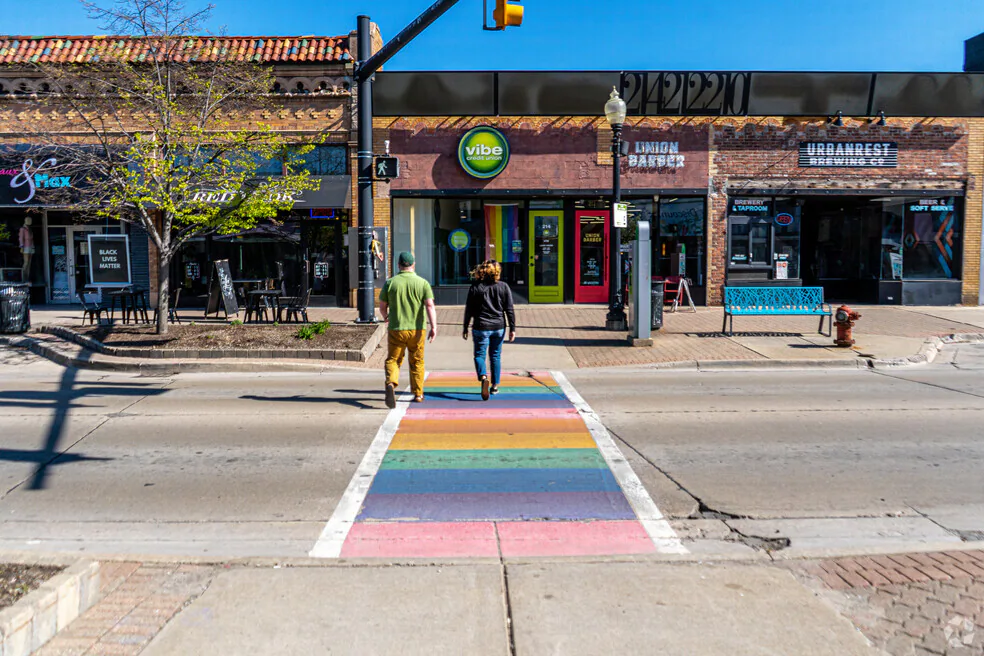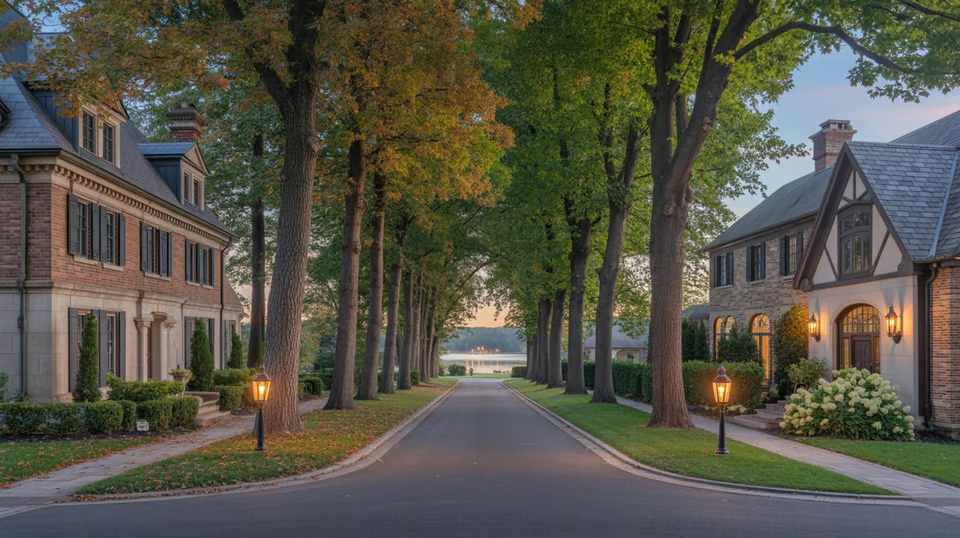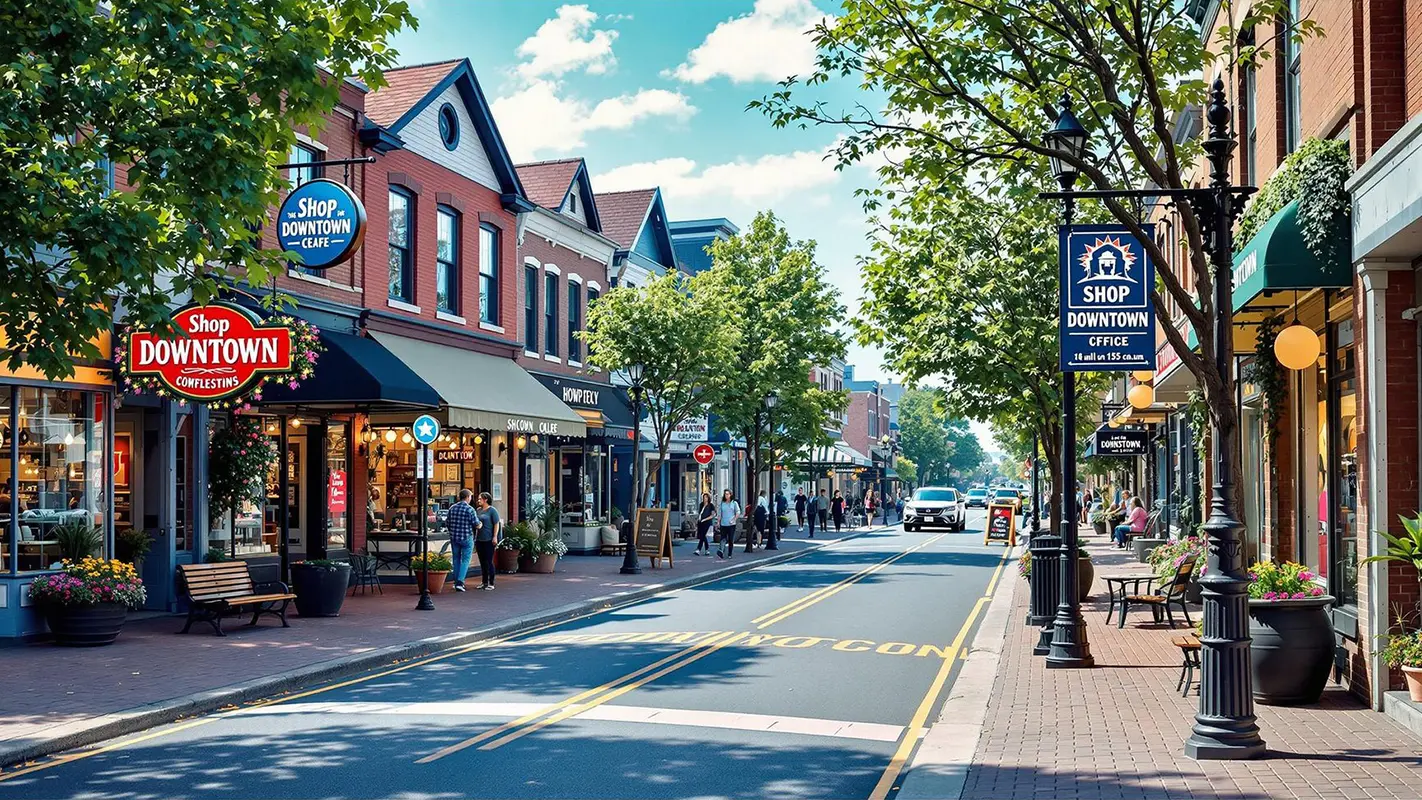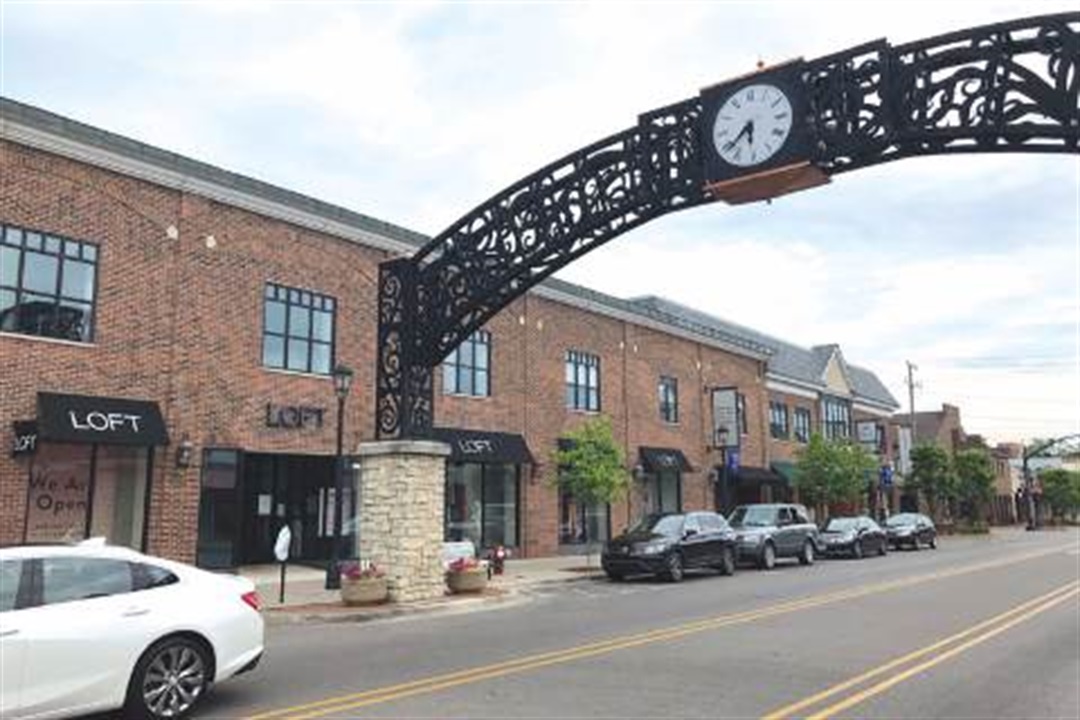
Royal Oak's downtown along Woodward Avenue is one of the most walkable, redevelopment-premium submarkets in the metro, built on small-footprint retail, restaurant, and mixed-use buildings rather than big-box or suburban office product. The Corewell Health Royal Oak hospital campus sits just east of downtown and anchors medical-adjacent demand that spills into nearby retail and office space.
Woodward Corridor Redevelopment Premium
Land and buildings along Woodward and Main Street in Royal Oak trade at a per-square-foot premium that reflects redevelopment potential as much as current income, since a small retail building here can often support a taller mixed-use replacement under current zoning. That premium changes the cap-rate math for an exchanger used to suburban retail pricing elsewhere in Oakland County.
Because so much of downtown Royal Oak's stock is small-footprint, a single building can represent a meaningful share of an exchanger's total replacement value, which raises the stakes on getting title and zoning review done before the identification window closes.
Corewell Health Anchor and Walkable Retail
The hospital campus just east of downtown supports a steady base of medical-adjacent office and service retail that doesn't depend entirely on downtown's restaurant and nightlife economy, giving the submarket two separate demand drivers rather than one. That mix has kept vacancy tighter here than in comparable walkable downtowns elsewhere in Oakland County.
Restaurant and bar-heavy ground-floor retail carries more tenant-turnover risk than the medical-office space nearby, so an exchanger weighing a downtown Royal Oak building against a hospital-adjacent office building is really choosing between higher foot-traffic upside and steadier, longer-term lease income.
Small-Footprint Assets That Fit a Royal Oak Exchange
Downtown Royal Oak's identification pool tends to include:
- Small mixed-use buildings with ground-floor retail
- Restaurant and bar spaces with existing liquor licensing
- Medical-adjacent office near the hospital campus
- Boutique multifamily above street-level retail
- Limited surface-lot redevelopment parcels
Parking and Zoning Math Before You Bid
Parking is the single biggest constraint on a downtown Royal Oak property, since most small-footprint buildings carry little to no dedicated parking and depend on municipal structures and street parking instead. An exchanger should confirm parking arrangements and any zoning overlay restrictions before identifying a property, not after, since those terms affect both financing and future redevelopment value.
Zoning here allows denser mixed-use redevelopment than in most suburban Oakland County retail corridors, which is part of why land value can outpace current rent roll — a lender will often ask for a separate as-is versus as-redeveloped valuation on anything identified in this corridor.
Closing Timeline Pressure in a Competitive Downtown
Well-located downtown Royal Oak buildings draw multiple offers quickly, which compresses the practical working room inside the 45-day identification window more than in most Oakland County submarkets. Financing pre-approval and a completed title search should be lined up before a target property is even under contract, since a downtown seller weighing several offers will often favor the buyer who can prove financing is already in place.
Constructive receipt is a real risk in a fast downtown deal if a seller pushes for early proceeds release or a side payment outside the qualified intermediary's escrow — any of that can disqualify the exchange, so the intermediary's closing instructions need to be locked before negotiations get competitive.
Common 1031 Exchange Questions
How does constructive receipt apply if a Royal Oak seller wants a fast, informal closing?
Constructive receipt happens if the exchanger gains control over the sale proceeds at any point, even briefly, which disqualifies the exchange. In a competitive downtown Royal Oak deal where a seller wants to move fast, all proceeds still need to route through the qualified intermediary's escrow exactly as they would in a slower transaction.
Does the 95% rule matter for a downtown Royal Oak exchange with several small candidates?
The 95% rule lets an exchanger identify more than three properties as long as they eventually acquire at least 95% of the total value identified, which can help in Royal Oak, where an exchanger might want to name several small mixed-use buildings rather than one large asset. Most exchangers only use this rule when the three-property rule's cap is genuinely too limiting.
Is downtown Royal Oak retail considered like-kind to a suburban office building you're selling?
Yes — like-kind for 1031 purposes is broad across real property types, so a suburban office building can be exchanged for downtown Royal Oak mixed-use retail without a use-type issue. The redevelopment premium on Royal Oak land is a pricing consideration, not a like-kind qualification issue.
How much parking risk should you underwrite into a downtown Royal Oak identification?
Enough to matter — most small-footprint buildings here rely on municipal parking rather than dedicated lots, and a lender will often discount valuation if parking access isn't documented. That review should happen during identification, since it affects whether the property can support current or future tenant mix.
What's a realistic backup plan if your preferred Royal Oak building gets outbid?
Given how quickly downtown Royal Oak product moves, most exchangers name a backup in a nearby walkable-retail suburb or fall back to Rochester Hills for a steadier, less competitive medical-office alternative. The backup should be named at the same time as the primary candidate, not after the primary falls through, since re-shopping for a new identification target with only a few days left in the window rarely ends well.