Birmingham trades on scarcity and finish quality rather than square footage. An investor identifying a Birmingham replacement property is pricing against a handful of boutique retail and office buildings along Woodward and Old Woodward, not a deep comparable set, so the numbers need to hold up on their own rather than lean on the location's reputation.
Old Woodward and the Triangle District Carry Retail on Finish, Not Footage
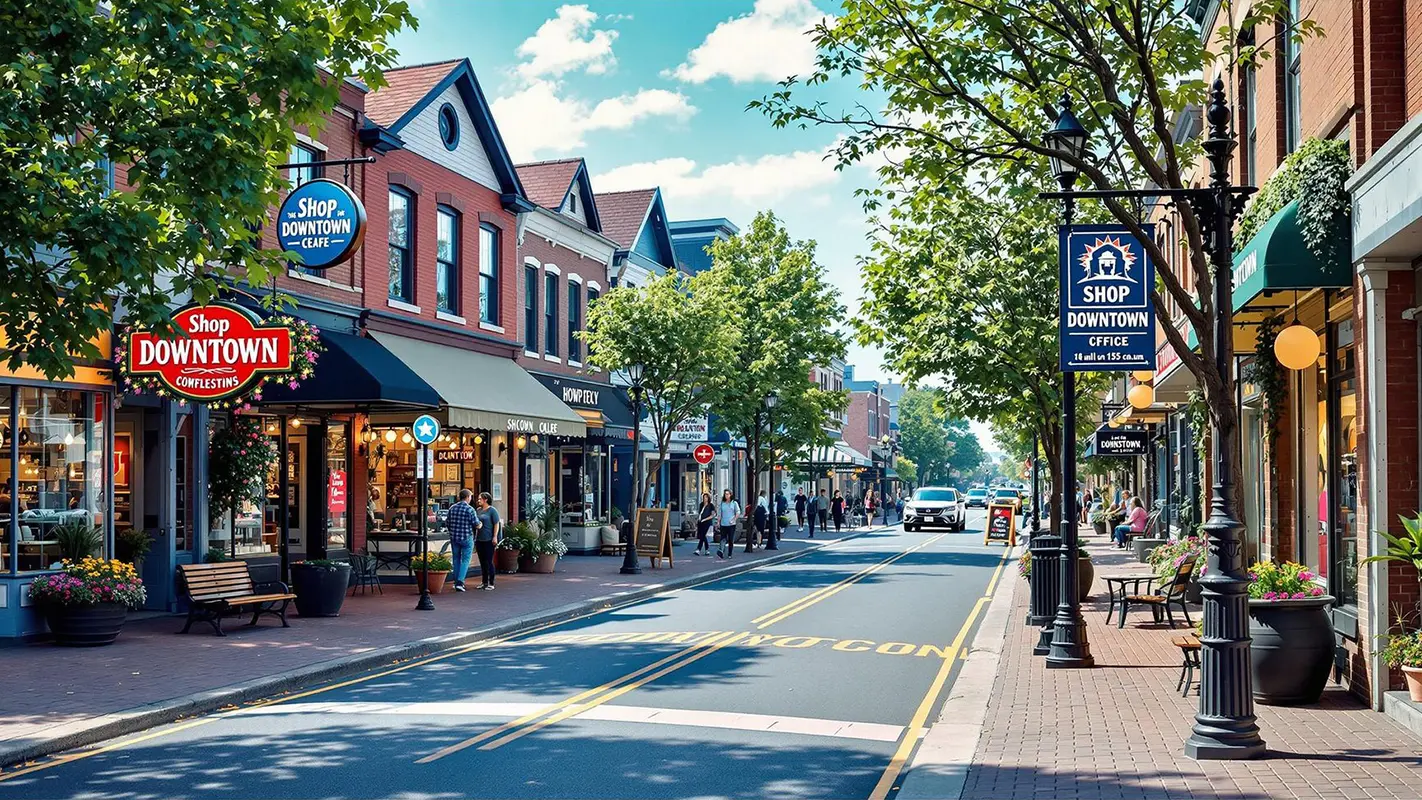
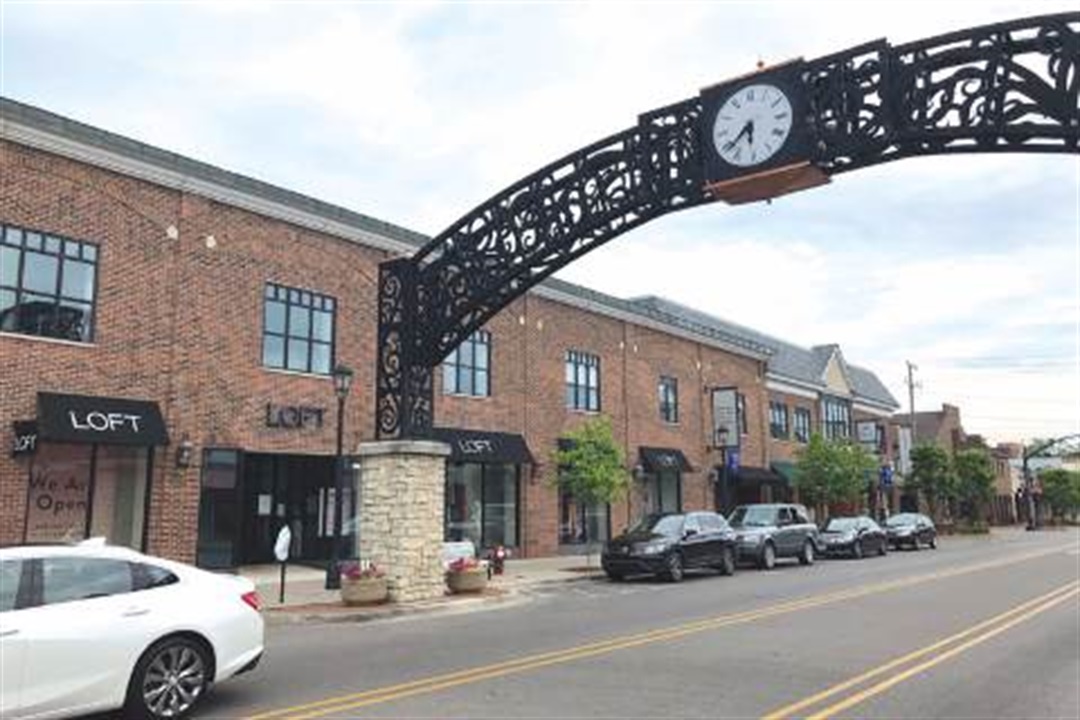
Small-footprint retail buildings, often fifteen hundred to four thousand square feet, along Old Woodward and through the Triangle District lease on build-out quality and frontage as much as square footage, so two buildings of similar size can carry very different rent rolls depending on storefront condition and parking access.
Underwriting should separate the base rent from any percentage-rent or common-area assessment the tenant pays, since Birmingham's small commercial associations sometimes bill those items separately from the lease itself.
A buyer should also confirm whether the quoted rent is gross or net of utilities and common-area charges, since small commercial associations in Birmingham sometimes structure those costs differently than a standard NNN lease would suggest, and that difference changes the real net operating income more than the headline rent implies.
Boutique Office and Medical Suites Run Small Tenant-Improvement Budgets
Office and medical suites in Birmingham tend to be leased to professional-services tenants, legal, financial, and specialty medical practices, on terms that include modest tenant-improvement allowances rather than the ground-up build-outs seen in larger suburban office parks.
A replacement candidate's operating budget should show whether the landlord or the tenant carries HVAC and finish maintenance, since that line item moves net income more in a small-suite building than it would in a larger office asset.
What the Property List Looks Like in a High-Barrier Market
Birmingham's income property stock is narrow and concentrated in a handful of formats.
- High-street retail on Old Woodward and Maple
- Boutique office suites near the Triangle District
- Ground-floor medical and professional suites
- Small mixed-use buildings with residential upper floors
Backup Candidates Have to Sit Outside Birmingham
Because Birmingham's commercial inventory turns over so rarely, an investor's backup identification slot almost always has to point to a different Oakland County submarket, Bloomfield Hills, Farmington Hills, or a Troy office corridor, rather than a second Birmingham property.
Two Birmingham candidates competing for the same buyer pool creates real risk that neither closes before the 180-day deadline, which defeats the purpose of naming a genuine backup in the first place.
Financing Small, High-Value Buildings on a Deadline
Lenders sizing a loan against a Birmingham retail or office building often apply a more conservative loan-to-value than they would in a larger suburban deal, because the resale pool for a high-per-square-foot asset is narrower if the loan ever needs to be worked out.
An investor should get a lender's preliminary read on the building's appraised value, not only the contract price, before finalizing identification, and should share that number with the qualified intermediary and tax advisor early enough to adjust the exchange plan if the appraisal comes in under contract.
Because so few Birmingham buildings trade in a given year, the appraiser's comparable set may include sales that are eighteen months old or older; an investor should ask the lender how recent the comparables actually are before treating the appraisal as current market evidence.
Common 1031 Exchange Questions
Why do two similarly sized Birmingham retail buildings sometimes carry very different rents?
Old Woodward and Triangle District retail leases on storefront finish, frontage, and parking access as much as square footage, so building condition and location within the district explain rent differences that raw size alone won't. Separate base rent from any percentage-rent or common-area assessment before comparing two candidates. Also confirm whether the quoted rent already reflects any recent common-area charge changes, since Birmingham's small commercial associations can bill those separately from the base lease.
What should you check on a Birmingham office or medical suite lease before identifying it?
Confirm who carries HVAC and finish maintenance responsibility, landlord or tenant, since that line item affects net income more in a small-suite building than in a larger office asset. Also get the tenant's business type and lease length, since Birmingham's professional-services tenants often sign longer terms than a typical office comparable. Get the tenant's renewal history in writing, not only the current lease term, since a professional-services tenant's actual track record matters more here than the stated lease length alone.
What belongs on the short list of property types for a Birmingham identification?
High-street retail on Old Woodward and Maple, boutique office suites near Triangle District, ground-floor medical and professional suites, and small mixed-use buildings with residential upper floors make up most of what actually trades here. Treat this list as a starting filter, not a guarantee of availability, since Birmingham's inventory turns over slowly enough that a given property type may not have an active listing in any given month.
Why does your backup candidate need to be outside Birmingham?
Birmingham's commercial inventory turns over rarely enough that a second in-market candidate risks competing for the same limited buyer pool as your primary choice. A backup in Bloomfield Hills, Farmington Hills, or a Troy office corridor gives you a genuinely separate option if the first deal stalls. Confirm that backup candidate's financing feasibility in parallel with your Birmingham candidate, rather than waiting to see which deal moves faster, so both options stay live through the identification deadline.
How conservative should you expect lender underwriting to be on a small, high-value Birmingham building?
Expect a more conservative loan-to-value than on a larger suburban asset, since the resale pool for a high-per-square-foot building is narrower if a loan ever needs to be worked out. Get the lender's preliminary appraised-value read, not only the contract price, before finalizing identification. Ask the lender how recent their comparable sales actually are, since Birmingham's low transaction volume means an appraisal can be built on data that is a year or more old.