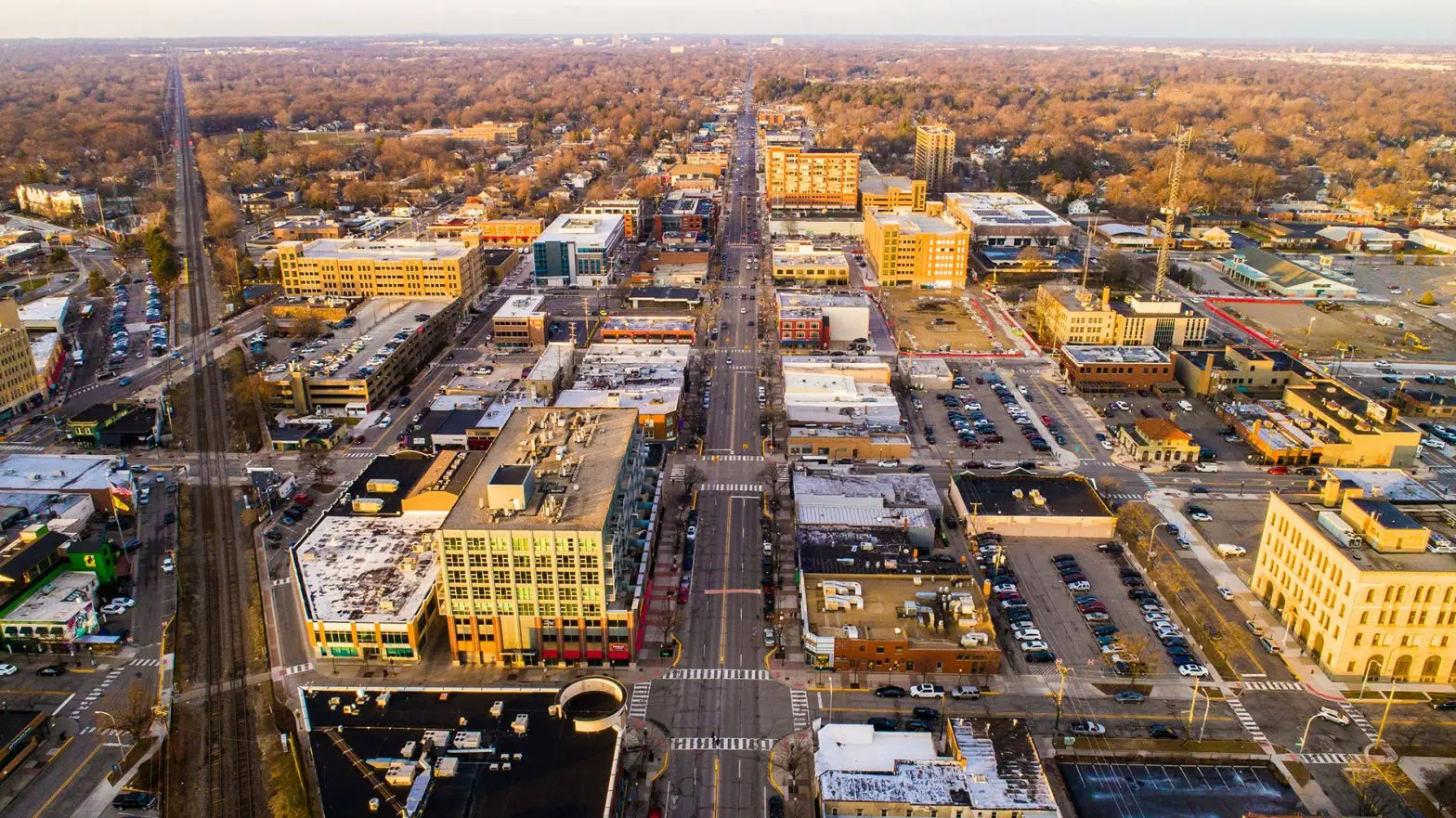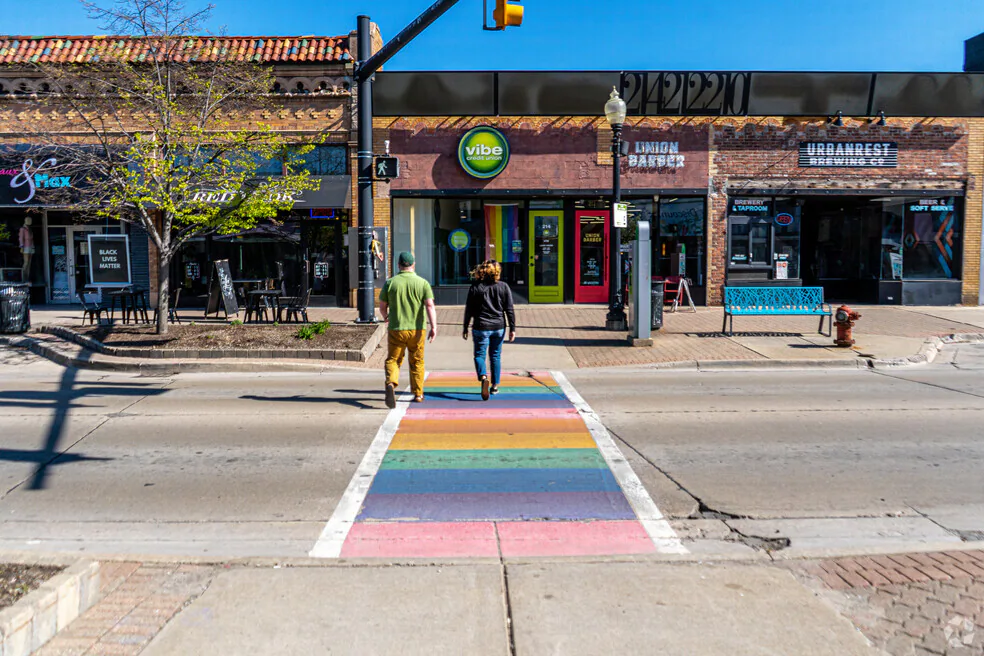
Troy anchors Oakland County's Class A office and corporate-headquarters market, centered on the Big Beaver Road corridor, the Somerset Collection's luxury retail draw, and a dense concentration of engineering and automotive-supplier firms often grouped under the Automation Alley label. This is the metro's steadiest office submarket, and pricing reflects it.
Big Beaver Road Class A Office Corridor
Office towers along Big Beaver Road house corporate headquarters and regional offices for automotive suppliers, engineering firms, and professional-services tenants, and that tenant mix has kept Troy's office vacancy meaningfully lower than Southfield's over the past several years. Buildings here tend to be newer or well-maintained older Class A product rather than the aging Class B/C stock common elsewhere in Oakland County.
That stability comes at a price: cap rates on stabilized Troy office run tighter than comparable product in Southfield or Pontiac, so an exchanger is paying for tenant quality and low turnover rather than buying a discount.
Somerset Collection and Automation Alley Demand
The Somerset Collection draws some of the highest retail sales per square foot in the state, which supports premium retail and restaurant space in its immediate vicinity even where broader Troy retail trades at more typical suburban rents. Automation Alley's cluster of engineering and technology firms adds steady flex and R&D-office demand beyond the traditional corporate-headquarters tenant base.
That combination gives Troy two separate identification pools — trophy retail near Somerset and corporate or engineering office along Big Beaver — with different pricing and tenant profiles depending on which an exchanger is targeting.
Office and Flex Candidates for a Troy Exchange
A Troy-focused search commonly draws from:
- Class A corporate office along Big Beaver Road
- Engineering and R&D flex space tied to Automation Alley
- Trophy retail near the Somerset Collection
- Medical office serving the corporate daytime population
- Limited light-industrial on the city's fringe
Lender Read on Engineering-Tenant Office Product
Lenders generally treat Troy's corporate and engineering-tenant office stock as some of the most financeable office product in the metro, given tenant credit quality and historically low vacancy, which can support a larger replacement loan relative to price than Southfield or Pontiac office would carry. That financeability is part of why Troy office trades at tighter cap rates.
An exchanger should still confirm the specific tenant's lease term and renewal options rather than relying on the submarket's general reputation, since even a strong Troy building can carry near-term rollover risk if its anchor tenant's lease is approaching expiration.
Closing Sequence for a Corporate-Tenant Building
Because well-leased Troy office and Somerset-adjacent retail draw competitive interest, exchangers should have a lender familiar with corporate-tenant underwriting engaged before the 45-day identification window opens, and should request estoppel certificates from major tenants as early as possible in due diligence, since those documents can take longer to obtain from a large corporate tenant than from a small retail lessee.
A realistic identification list pairs a Troy candidate with a backup that doesn't depend on the same tenant-credit story, such as a Rochester Hills medical-office building, so the exchange isn't derailed if a single Troy tenant's estoppel or renewal terms come back with a surprise.
Common 1031 Exchange Questions
How does the three-property rule work if you want to name both a Troy office building and a Somerset-adjacent retail property?
The three-property rule allows up to three identified properties regardless of asset type or combined value, so a Troy office building and a Somerset-area retail property can both sit on the same list alongside one additional backup candidate, without any restriction based on the properties being different asset classes.
Does a corporate tenant's estoppel certificate need to be finalized before the 45-day identification window closes?
No, the identification window only requires that the property itself be clearly identified, not that every diligence item be complete. Estoppel certificates and other tenant documentation are typically gathered during the due diligence period after identification but before closing, though starting that request early matters given how long large corporate tenants can take to respond.
Is Troy office pricing likely to create boot exposure for an exchanger coming from a lower-basis property?
It can — because Troy's Class A office trades at tighter cap rates and higher basis than many other Detroit-metro submarkets, an exchanger moving up from a lower-priced relinquished property needs to confirm the new purchase price and loan amount meet or exceed the old ones, or the difference is generally treated as taxable boot.
What role does the qualified intermediary play in a Troy office purchase with multiple corporate tenants?
The qualified intermediary's role is the same regardless of tenant count — holding proceeds, preparing the exchange agreement, and issuing closing instructions. Reviewing multiple tenant leases and estoppels is a due diligence task for the exchanger and their broker or attorney, separate from the intermediary's function.
How do engineering and R&D flex tenants near Automation Alley differ from standard office tenants for underwriting purposes?
Flex and R&D space often carries tenant-specific improvements — lab benches, specialized power, or clean-room infrastructure — that can be costly to re-lease to a different tenant type, so lenders and exchangers should weigh that re-leasing risk separately from a standard office tenant's space, even when the headline lease terms look similar. Asking for a breakdown of tenant-installed improvements early in due diligence clarifies how much of that build-out would transfer to a new occupant.