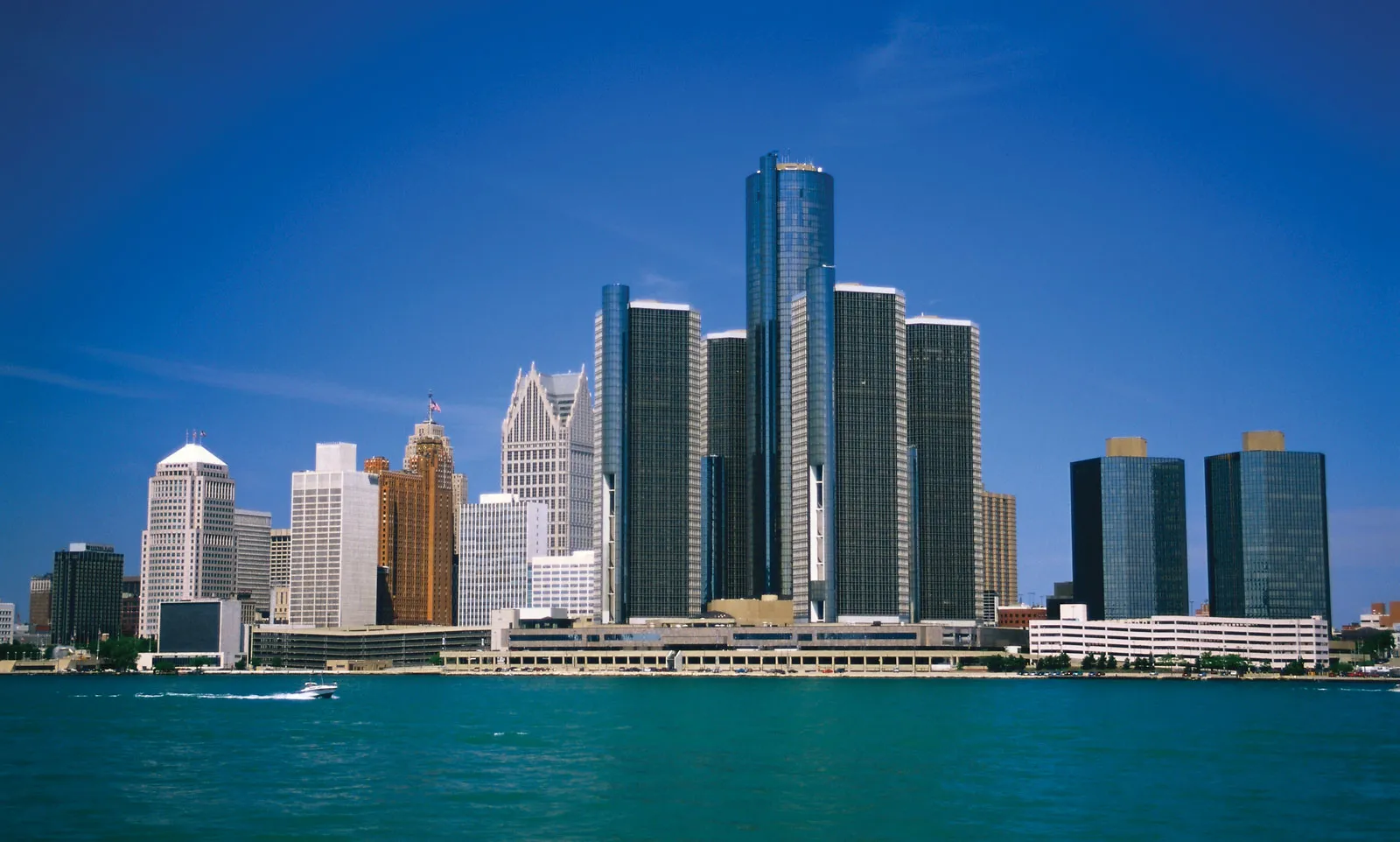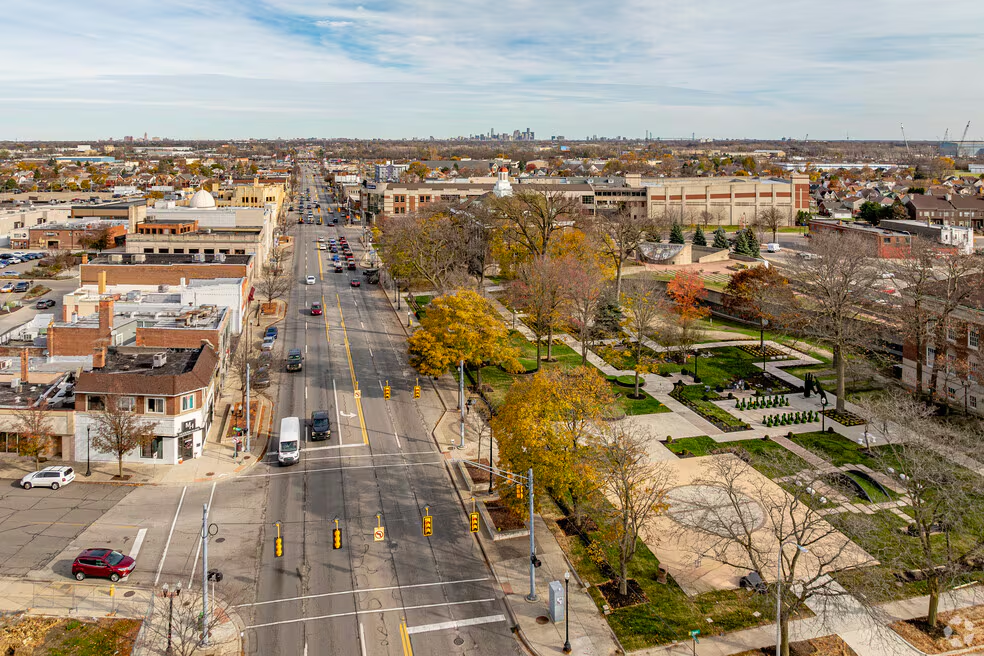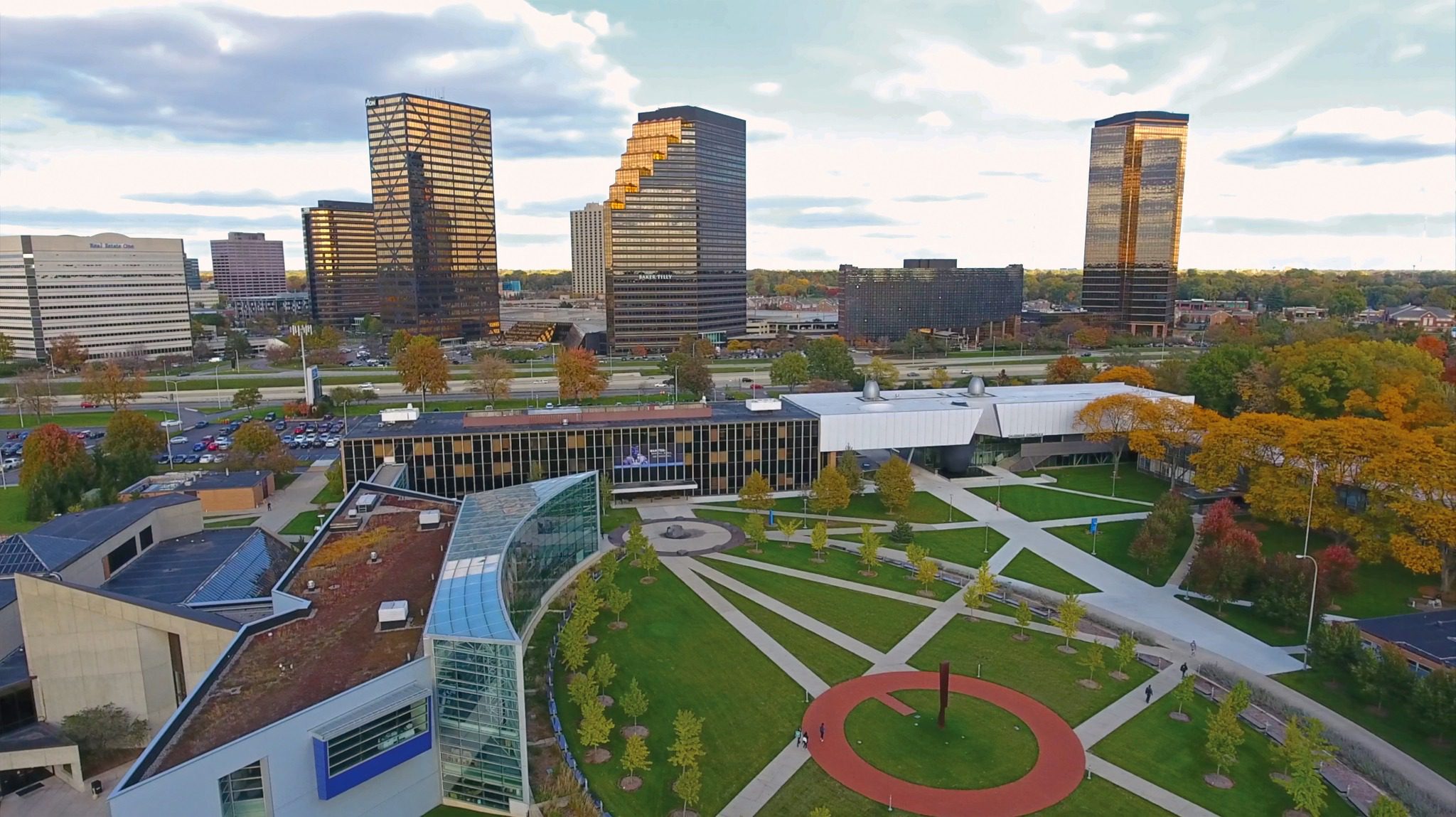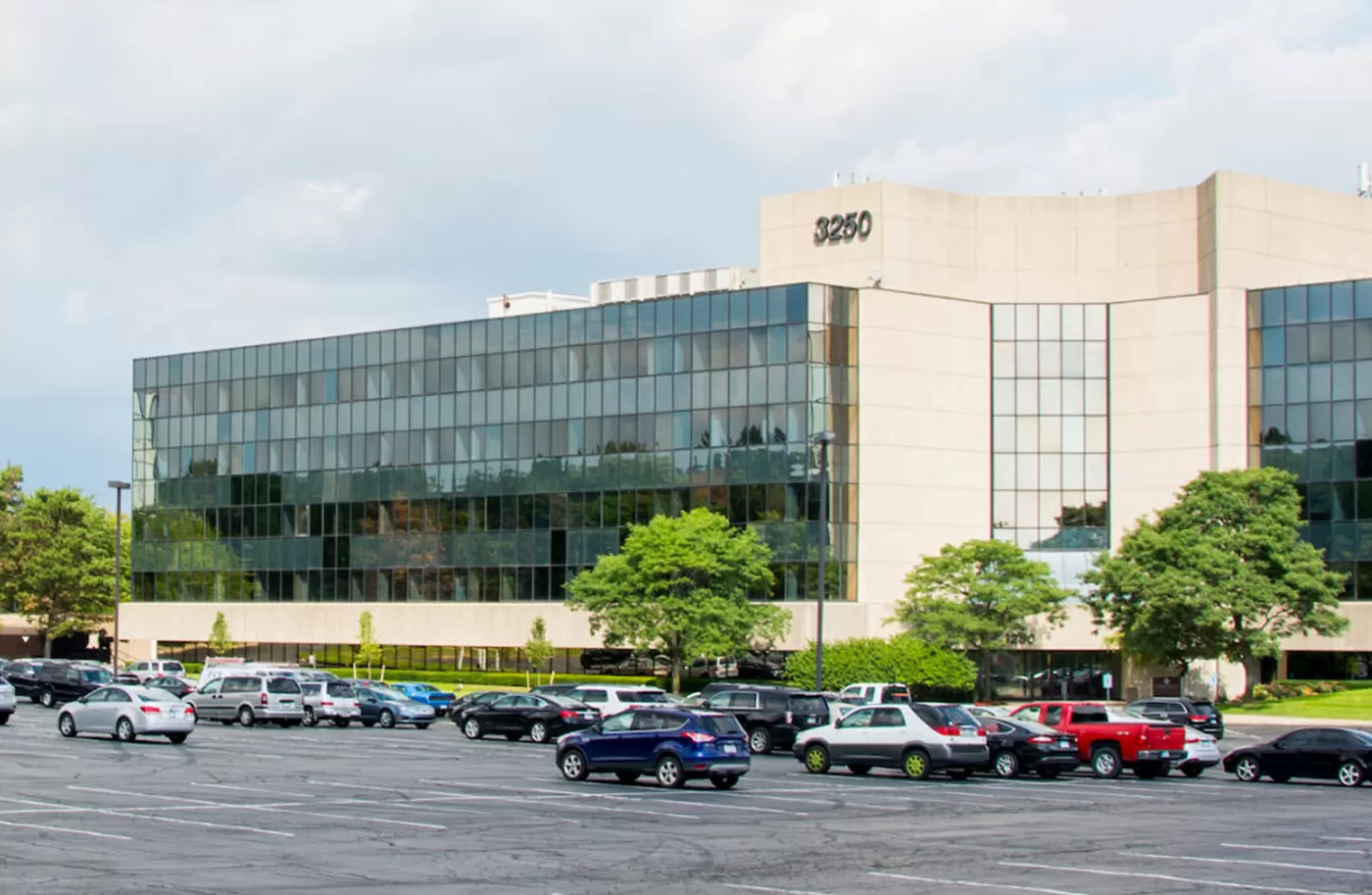
Canton's commercial base grew alongside its household count, and that shows up in a property stock built mostly in the last three decades: big-box and grocery-anchored retail along Ford Road and Michigan Avenue, newer medical office, and service-commercial buildings near Canton Center and Cherry Hill. An investor here is generally underwriting stabilized, purpose-built assets rather than older buildings needing repositioning.
Ford Road and Michigan Avenue Retail Runs on Rooftop Density
Grocery-anchored and junior-anchor retail along Ford Road and Michigan Avenue prices on the household density within a three-to-five mile ring, and Canton's newer subdivisions give that retail a rooftop count that supports rents comparable to older, more established Wayne County corridors.
Lease structures here run mostly triple net, so the buyer's operating budget should isolate the landlord's remaining capital obligations, roof, parking lot, and HVAC replacement reserves, separately from the tenant's common-area payments.
A buyer should request the last three years of common-area reconciliation statements from the seller, since a triple-net lease that looks clean in the lease abstract can still carry disputed charges that surface only when the annual reconciliation is compared against actual expenses.
Medical Office Near Canton Center Runs Newer Building Systems, Lower Near-Term Capex
Medical and dental office buildings near Canton Center Road tend to be newer construction than comparable buildings in Detroit's inner-ring suburbs, which means a shorter near-term capital-expenditure runway but less negotiating leverage on price, since sellers know the deferred-maintenance discount buyers might otherwise expect doesn't apply.
An investor should still confirm the building's actual occupancy history rather than relying on the current rent roll alone, since a newer building with a short operating history has less data to underwrite against than an older, better-documented property elsewhere in the metro.
Property Types an Identification List Should Cover Here
Canton's stock breaks down into a handful of consistent categories worth pricing separately.
- Grocery- and junior-anchored retail along Ford Road and Michigan Avenue
- Medical and dental office near Canton Center
- Service-commercial and flex buildings near I-275
- Garden-style multifamily serving the surrounding household base
I-275 Access Shapes Which Service-Commercial Buildings Actually Perform
Service-commercial and light-industrial-flex buildings near I-275 depend heavily on highway visibility and loading access, so two buildings with identical square footage can carry very different lease-up timelines if one sits a half-mile farther from an interchange. That variable belongs in the underwriting file as its own line item, not folded into a general condition assessment.
Financing Newer Stabilized Assets Inside the Exchange Clock
Because Canton's commercial stock skews newer, lenders can generally close faster here than on an older urban building needing a capital-plan review, which works in an exchange buyer's favor inside the 180-day period.
The investor should still confirm appraisal-turnaround time with the lender before finalizing identification, since even a routine appraisal can run three to four weeks in a market with an active new-construction pipeline competing for the same appraiser capacity.
Because Canton's household growth has attracted competing capital from outside the immediate submarket, an investor should also confirm the lender's appetite for the specific property type before assuming financing terms comparable to a prior Canton transaction.
Common 1031 Exchange Questions
Why does Canton retail near Ford Road generally support higher rents than expected for a suburban corridor?
The corridor's rents track rooftop density within a three-to-five mile ring, and Canton's newer subdivisions give it household counts comparable to more established Wayne County corridors. That density, not the corridor's age, is what supports the rent. Confirm the actual household growth trend for the specific corridor rather than relying on citywide figures, since rooftop density varies meaningfully block to block along Ford Road and Michigan Avenue.
What should you separate out in a Canton triple-net retail lease before identifying the property?
Isolate the landlord's remaining capital obligations, roof, parking lot, and HVAC replacement reserves, from the tenant's common-area payments. Newer net leases here can look clean on paper but still leave meaningful landlord obligations buried in the lease exhibits. Request the last several years of common-area reconciliation statements, not only the lease abstract, since disputed charges often only surface when actual expenses are compared against the annual reconciliation.
Does newer construction in Canton mean less negotiating room on price?
Generally yes. Medical and office buildings near Canton Center are often newer than comparable buildings in Detroit's inner-ring suburbs, so sellers have less incentive to discount for deferred maintenance that a buyer might otherwise expect. Confirm the building's actual occupancy history rather than relying on the current rent roll alone, since newer buildings carry less operating data to underwrite against.
How much does distance from an I-275 interchange actually matter for a service-commercial building?
More than most buyers assume. Two buildings with identical square footage can carry very different lease-up timelines if one sits meaningfully farther from an interchange, so document that as its own diligence item. Get quotes from at least two lenders on the same property, since financing appetite for a specific property type can vary meaningfully even within the same growth corridor.
How long should you expect an appraisal to take in a market with active new construction?
Budget three to four weeks even for a routine appraisal, since active new-construction pipelines in Canton compete for the same appraiser capacity. Confirm the lender's expected turnaround before finalizing identification so the closing calendar has enough runway inside the 180-day period. Ask the lender directly how many comparable sales they identified and how recent those sales are, since active construction can skew what counts as a usable comparable.