An improvement exchange lets replacement-property value come partly from construction work completed during the exchange, not only from the purchase price, using an exchange accommodation titleholder to hold the property while improvements are made. In Detroit, where adaptive reuse and light industrial retrofits are common ways to create real value, this structure only works if the construction budget and the exchange calendar are planned together from the start, not treated as two separate schedules.
How the Titleholding Mechanics Actually Work
Because the investor cannot hold title to the replacement property before completing the exchange without triggering issues, an exchange accommodation titleholder takes title, holds the property while improvements are made, and transfers it to the investor once the exchange requirements are satisfied, all before day 180. This structure adds legal and administrative cost compared to a standard purchase, which is why it is generally reserved for situations where the improvement value genuinely matters to the reinvestment goal.
The Draw Schedule Is the Real Constraint
Unlike a typical construction project where a delayed draw just pushes the completion date, an improvement exchange has a fixed outside deadline: whatever value is going to count toward the exchange has to be in place, generally understood as affixed to the property, by day 180. We build the draw schedule backward from that date the way a general contractor builds a schedule backward from a fixed occupancy date, with contingency time subtracted up front rather than added as an afterthought.
- Permitting and municipal approval timeline for the specific improvement scope
- Material lead times for any specialized components tied to the building's use
- Contractor mobilization and phased draw schedule against the construction budget
- Final inspection and sign-off timing before the exchange deadline
Where Detroit Adds Schedule Risk
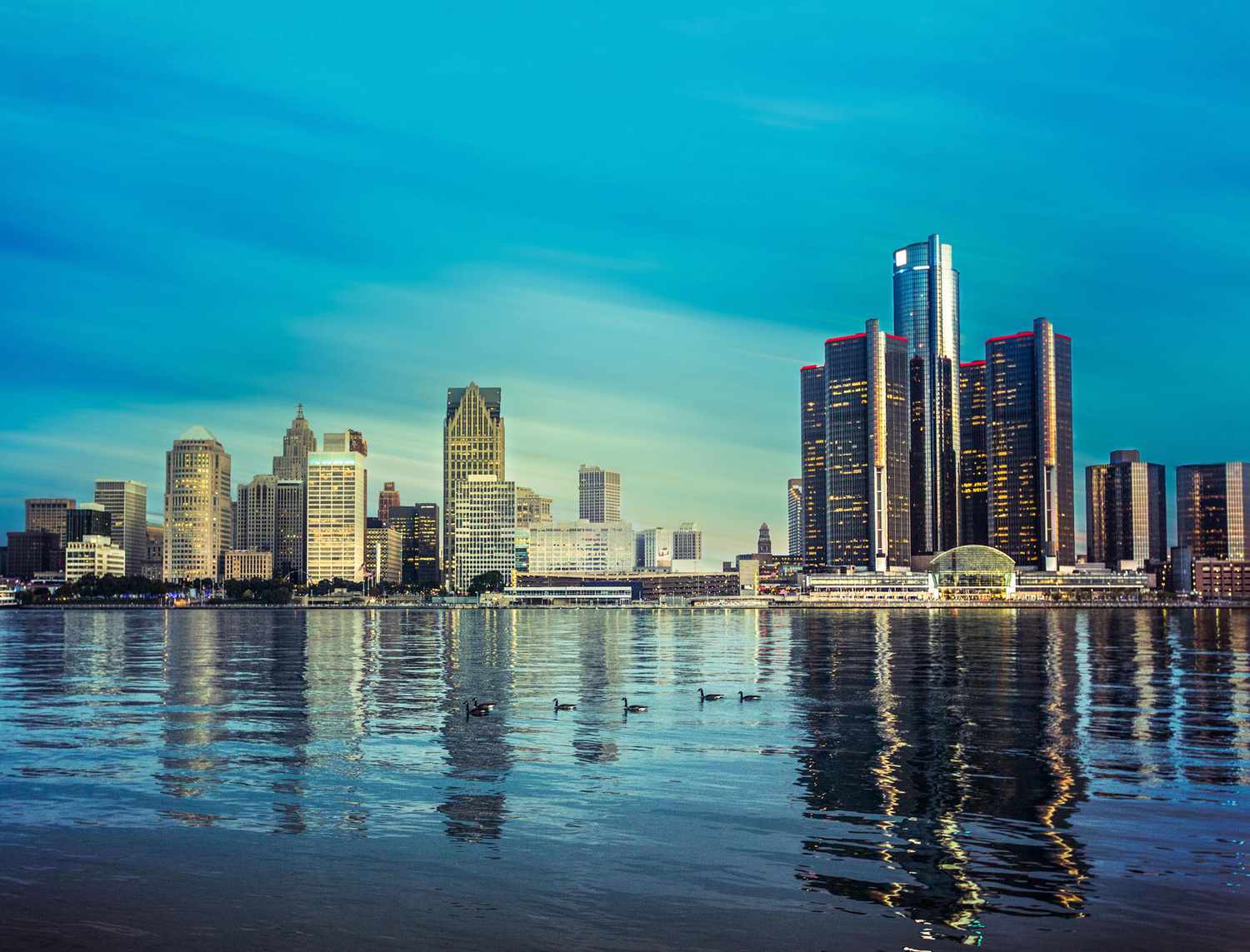
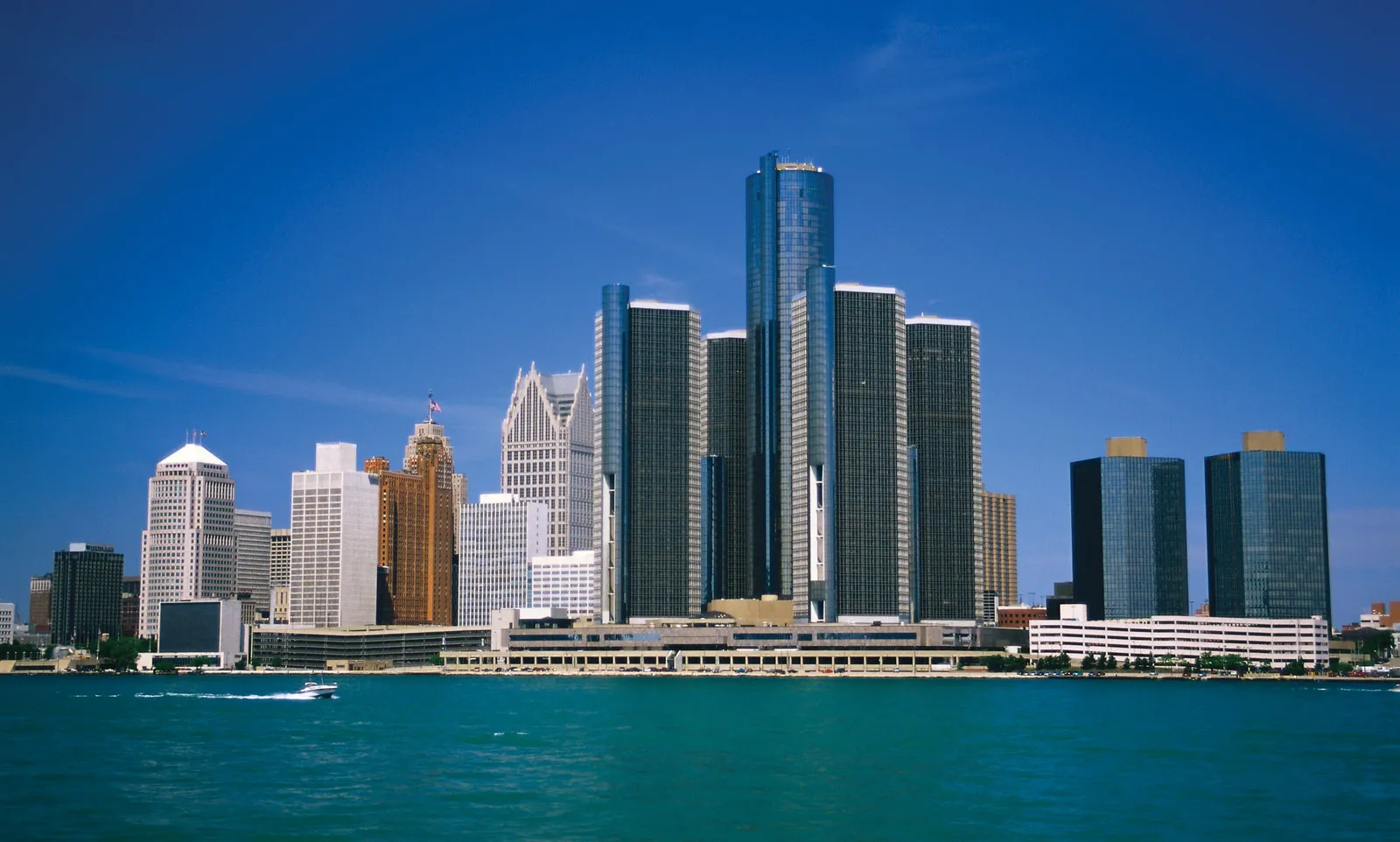
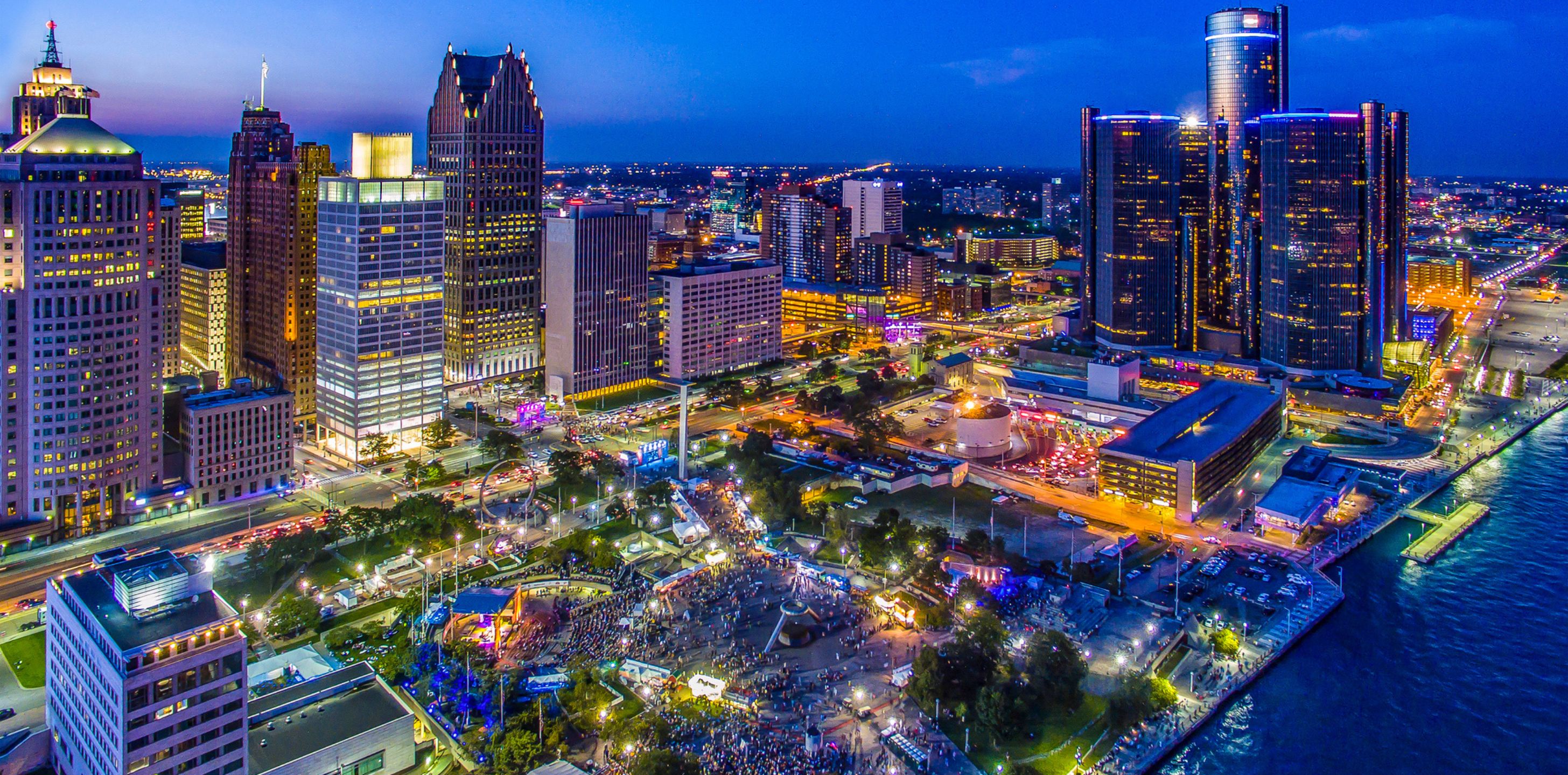
Adaptive reuse projects in downtown and Midtown buildings often carry permitting timelines driven by the building's age and prior use, and light industrial upgrades along the supplier corridors can run into equipment lead times that a generic construction schedule does not anticipate. We flag these risks against the fixed 180-day ceiling early, since an improvement exchange has far less flexibility to absorb a permitting delay than a standard renovation project would.
A downtown conversion from office to residential use, for example, can trigger a fire and life-safety review that a straightforward interior buildout would not, and a supplier-corridor industrial retrofit that involves upgraded power service can sit on a utility's own schedule for weeks before construction even starts. Neither of these delays is unusual on its own, but stacked against a fixed 180-day deadline they can consume most of the available float if they are not identified at the planning stage.
Separating Desired Scope From Achievable Scope
The improvement wish list an investor brings to the table is often larger than what can realistically be designed, permitted, and built inside the remaining exchange window, especially if identification took most of the first 45 days. We separate the scope into what has to be done to count toward the exchange value and what can be finished later outside the exchange structure, so the construction budget is not stretched trying to force an unrealistic scope into a fixed deadline.
What Has to Be Documented by Day 180
By the closing deadline, the file needs to show the improvement work actually completed, the accommodation titleholder's transfer to the investor, and the final value used for exchange purposes, since this documentation is what the investor's CPA and any future reviewer will rely on to confirm the exchange met its requirements. A rushed final week with incomplete inspection sign-off is the most common way an otherwise well-planned improvement exchange runs into trouble at the very end. We schedule final inspection at least two weeks ahead of day 180 specifically to leave room for a reinspection if the first pass turns up an open item.
Common 1031 Exchange Questions
Can improvements made after you take title still count toward your exchange?
Generally no. In an improvement exchange, the value-adding construction needs to happen while the exchange accommodation titleholder holds the property, before the investor takes title, and generally before the 180-day deadline. Work completed after the investor takes title typically does not count toward the exchange.
Why does an improvement exchange need an accommodation titleholder at all?
The titleholding structure exists specifically so the replacement property can receive improvements without the investor holding title before the exchange requirements are fully met, which is a structural requirement of this exchange type rather than an optional add-on.
What happens if construction is not finished by day 180?
Only the value actually completed and affixed to the property by the deadline generally counts toward the exchange; work planned but not finished does not extend the deadline. This is why realistic scope planning against the calendar matters more in an improvement exchange than in a standard purchase.
Is an improvement exchange more expensive to set up than a standard exchange?
Yes, the accommodation titleholder structure adds legal and administrative costs beyond a standard qualified intermediary arrangement, which is a factor investors should weigh against how much the improvement value actually matters to their reinvestment plan.
Does a Detroit adaptive reuse project typically need more schedule buffer than new construction elsewhere?
Older downtown and Midtown buildings often carry permitting and inspection variables tied to their age and prior use that a ground-up suburban project would not face, so we generally recommend more schedule buffer for these projects inside the fixed exchange window.