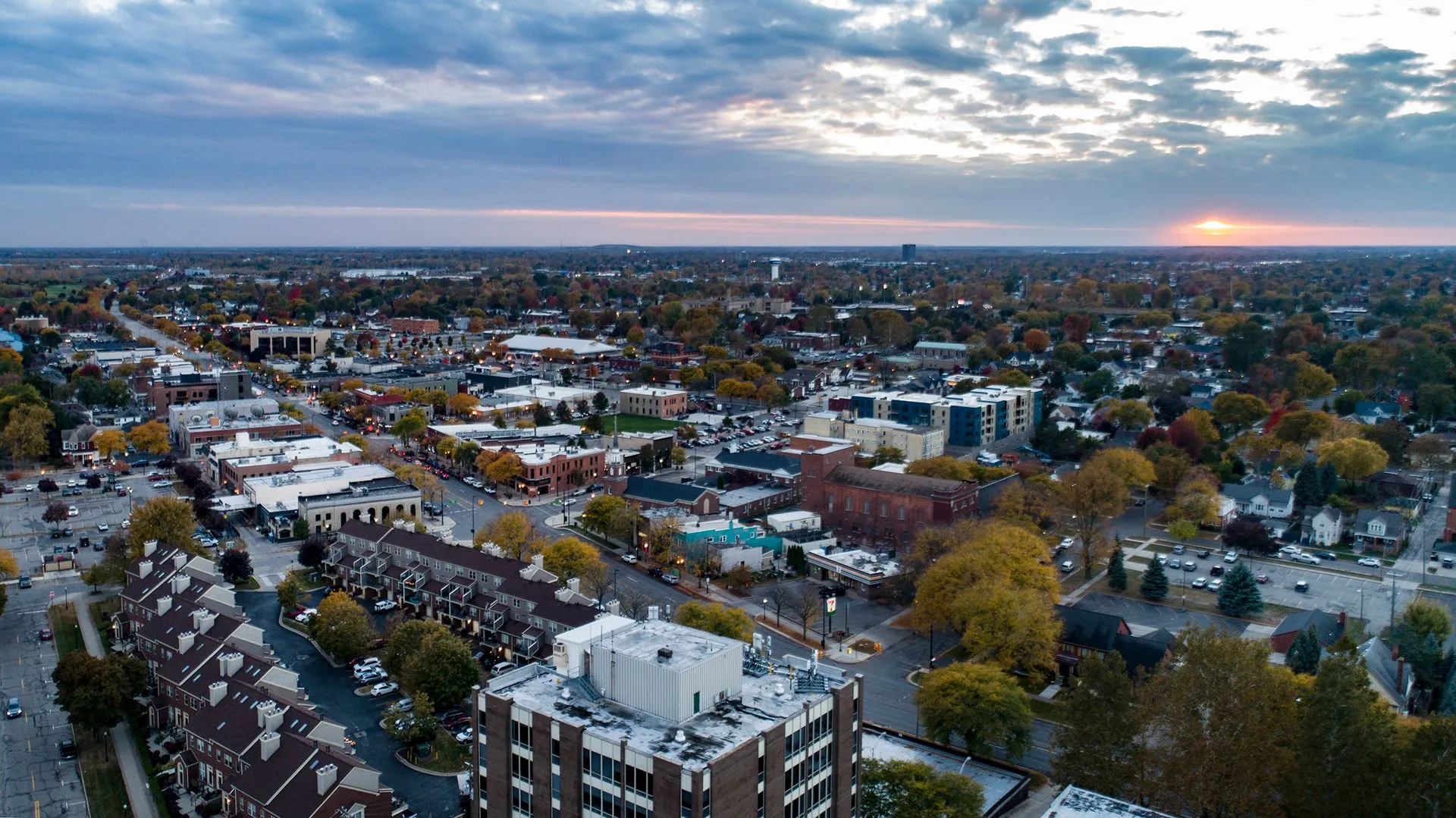
Rochester Hills sits in northeastern Oakland County, an affluent, low-vacancy submarket centered on Crittenton Hospital's medical campus, Rochester Road retail, and spillover demand from Oakland University just across the Rochester border. Product here trades at a premium to Pontiac or Warren, and the trade-off for an exchanger is stability rather than yield.
Crittenton Corridor Medical Office Demand
The medical-office cluster around Crittenton Hospital draws long-term, credit-tenant leases that hold value better through a downturn than typical retail, and vacancy in that corridor has stayed tighter than the broader Oakland County office market for years. Buildings here tend to be smaller-footprint, single- or few-tenant medical condos rather than large multi-tenant towers.
That scarcity means medical office in Rochester Hills rarely sits on the market long, so an exchanger targeting this asset class needs a shortlist ready well before the relinquished property closes rather than starting the search inside the 45-day window.
Rochester Road Retail and Oakland University Spillover
Rochester Road and the M-59 corridor carry a dense run of retail plazas and service tenants supported by some of the highest household incomes in the metro, which keeps rents firm even on older strip centers. Multifamily nearby benefits from Oakland University student and staff demand spilling south from Rochester proper.
Because the submarket is largely built out, replacement opportunities tend to come from ownership turnover rather than new construction, which means an exchanger is usually buying an existing tenant roll and existing lease terms rather than a speculative lease-up.
What Actually Trades in Rochester Hills
Inventory here concentrates in a narrower band than in Pontiac or Warren:
- Medical office condos near the Crittenton campus
- Neighborhood retail strips along Rochester Road
- Class A garden-style multifamily
- Small professional-office buildings near M-59
- Limited light-industrial and flex space
Debt Terms for a Low-Vacancy Suburb
Lenders generally underwrite Rochester Hills product with tighter loan-to-value spreads and lower cap-rate assumptions than they would in Pontiac or Sterling Heights, reflecting the submarket's occupancy history rather than any single tenant's credit. That can mean a smaller replacement loan relative to price, which matters for an exchanger trying to match or exceed the debt on the relinquished property to avoid boot.
Because inventory turns over slowly, financing pre-approval should happen before a Rochester Hills listing appears rather than after, since a well-priced medical-office condo here can draw multiple offers within days.
Backup Planning When Rochester Hills Product Is Scarce
Given how little turns over in a given quarter, a three-property identification list centered on Rochester Hills usually names a primary candidate here and backups in a broader-inventory submarket like Sterling Heights or Troy, so the exchanger isn't stuck if the Rochester Hills property falls through during due diligence. That backup naming should happen at the same time as the primary identification, not as an afterthought once a deal shows signs of slipping.
A qualified intermediary should already be holding proceeds and ready to move on a backup the moment a Rochester Hills deal stalls, since the 45-day identification window doesn't pause for a scarce submarket. Exchangers who wait to line up financing until a Rochester Hills listing appears routinely lose the property to a buyer who was already pre-approved.
Common 1031 Exchange Questions
Why is the three-property rule especially relevant for a Rochester Hills-focused exchange?
The three-property rule lets an exchanger identify up to three properties regardless of their combined value, which matters in Rochester Hills because so little inventory turns over that a single named property carries real risk of falling through. Naming two backups in a deeper submarket protects the exchange without requiring the exchanger to abandon a Rochester Hills preference.
Who manages the exchange paperwork if you're working with a broker on a Rochester Hills medical-office deal?
A qualified intermediary handles the exchange-specific documents — the exchange agreement, the identification notice, and closing instructions — while the broker runs the transaction itself. The two roles are separate, and the intermediary should be engaged before the relinquished property closes, not after a Rochester Hills candidate is found.
How much inventory turns over in Rochester Hills in a typical search window?
Enough to usually produce one or two live candidates inside a 45-day window, mostly in medical office and neighborhood retail, but not enough to guarantee three qualifying properties on their own. Most exchangers treat Rochester Hills as a primary target and build the rest of the list from a nearby, deeper submarket.
Does buying a smaller-footprint medical office condo create any like-kind concerns?
No — a medical office condo is real property and qualifies as like-kind to almost any other real property held for investment, including the apartment building or retail center many exchangers are selling out of. The condo association structure doesn't change that; it just adds an extra layer of governing documents to review.
What happens to the boot calculation if your Rochester Hills replacement is smaller than the relinquished property?
If the replacement property's price or the new loan amount comes in below the relinquished property's, the shortfall is generally treated as boot and becomes taxable to the extent of gain. Given Rochester Hills pricing, exchangers coming from a larger asset elsewhere in the metro should run that math before finalizing an identification letter, and should ask their tax advisor to confirm the numbers before the 180-day exchange period closes rather than after.