A reverse exchange runs the normal deadline math backward. The replacement property closes first, title parks with an exchange accommodation titleholder, and the 45-day and 180-day clocks start on that acquisition date rather than on a later sale. The sequence flips, but the deadline discipline does not.
Why the Sequence Flips in the First Place
A strong replacement opportunity in a tight submarket rarely waits for a seller to finish marketing and closing their own relinquished property. When an industrial building along the I-94 or I-75 auto-supplier corridor comes to market at the right basis and the right term left on an existing tenant, an investor who can move on it immediately, ahead of their own sale, often gets a materially better outcome than one who waits and loses the building to another buyer.
Sellers of well-positioned industrial buildings in this corridor frequently field multiple offers within days, and an investor still marketing their own relinquished property has no realistic way to compete on timeline without a reverse structure in place.
Structuring the Parking Arrangement
The exchange accommodation titleholder takes and holds title to the replacement property, funded through a qualified exchange accommodation arrangement, while the investor's relinquished property is marketed and sold on a parallel track. That structure has its own document set, separate from a standard forward exchange, and it needs to be in place before the replacement closing, not assembled afterward.
The relinquished sale still needs to close within 180 days of the replacement property's title parking, so a reverse exchange does not remove the deadline pressure, it just moves which side of the transaction the pressure sits on.
Financing the titleholder's acquisition typically requires a lender comfortable with the accommodation structure, which is a smaller pool than lenders offering standard investment property loans, so that lender relationship should be confirmed before the investor commits to the replacement purchase contract.
Competitive Positioning in a Tight Corridor
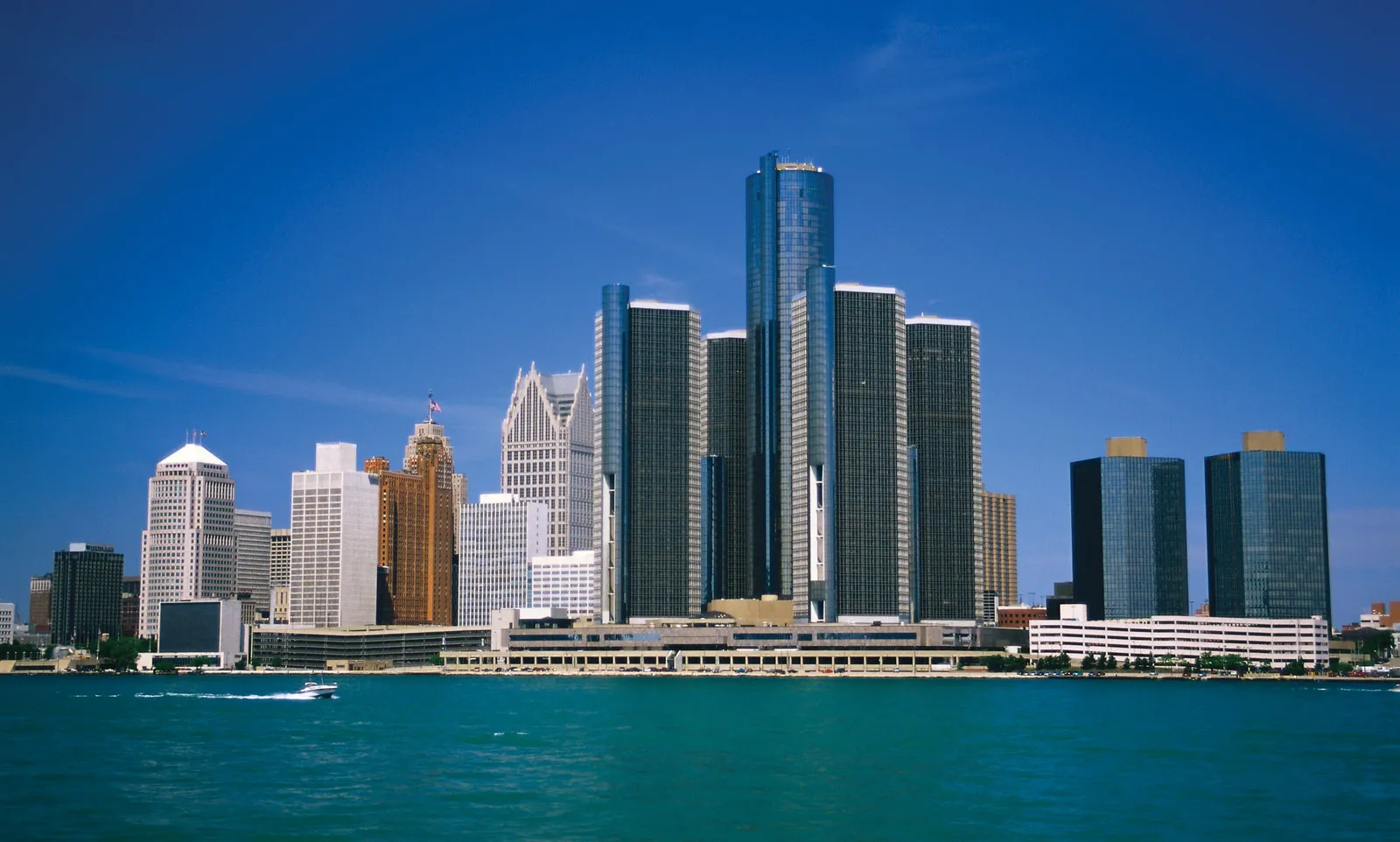
Industrial suburbs feeding the auto-supplier corridor, along with fast-moving pockets in Birmingham, Troy, and Ann Arbor, regularly produce replacement opportunities that a seller wants to close in 30 to 45 days, faster than a typical relinquished-property marketing and closing timeline allows. A reverse exchange lets the investor compete on the same timeline as an all-cash buyer, which matters directly in a corridor where multiple buyers may be bidding on the same building.
The Sequencing Checklist Before Title Parks
A reverse exchange file needs its structural documents confirmed before the replacement closing date, not during the closing itself, since a missing signature at the table can delay funding by days.
- Qualified exchange accommodation arrangement executed with the titleholder
- Financing in place for the titleholder's acquisition, if leveraged
- Relinquished property listed and actively marketed on a parallel track
- 45-day identification of the relinquished property, if not already under contract
- 180-day deadline calendar tied to the replacement closing date, not the eventual sale date
Keeping the Sale Side From Lagging the Purchase Side
Once title parks with the accommodation titleholder, the pressure shifts entirely to the sale side of the file. The relinquished property's marketing timeline should start before, or at the very latest simultaneously with, the replacement closing, since a reverse exchange only works if the sale side keeps pace with the 180-day clock already running on the purchase side. A dated action list connecting the listing broker, the buyer's side, and the qualified intermediary keeps that pace visible to everyone on the file.
A relinquished property that takes longer to market than expected, whether because of a slower buyer pool for that specific asset class or a pricing miscalculation at listing, puts direct pressure on the 180-day deadline in a way a standard forward exchange does not, since there is no fallback identification step to buy additional time on the sale side. That asymmetry is the main reason a reverse exchange needs its sale-side marketing plan locked in before the replacement closing, not drafted afterward.
Common 1031 Exchange Questions
When does a reverse exchange make more sense than a standard forward exchange?
It makes sense when a strong replacement opportunity, such as an industrial building along a tight auto-supplier corridor, is likely to sell to another buyer before the investor's own relinquished property can close through a normal marketing timeline.
What is an exchange accommodation titleholder and what do they actually do?
The titleholder is a separate entity that takes and holds title to the replacement property under a qualified exchange accommodation arrangement while the investor's relinquished property sale proceeds on a parallel track, so the investor is not treated as owning both properties simultaneously.
Does the 180-day deadline still apply in a reverse exchange?
Yes, the 180-day period still applies, but it runs from the date title parks with the accommodation titleholder rather than from a relinquished property closing, so the relinquished sale needs to complete within that same window.
Can financing be arranged for a reverse exchange purchase before the relinquished property sells?
Financing can be arranged for the titleholder's acquisition, but it needs to be underwritten and preflighted with the lender well before the replacement closing date, since the arrangement adds structural complexity a standard purchase loan does not have.
Who should confirm whether a reverse exchange structure fits a specific transaction?
The investor's tax advisor and the qualified intermediary's compliance team should confirm the structure fits the specific facts; this coordination work handles the parking arrangement logistics and deadline tracking, not tax determinations.