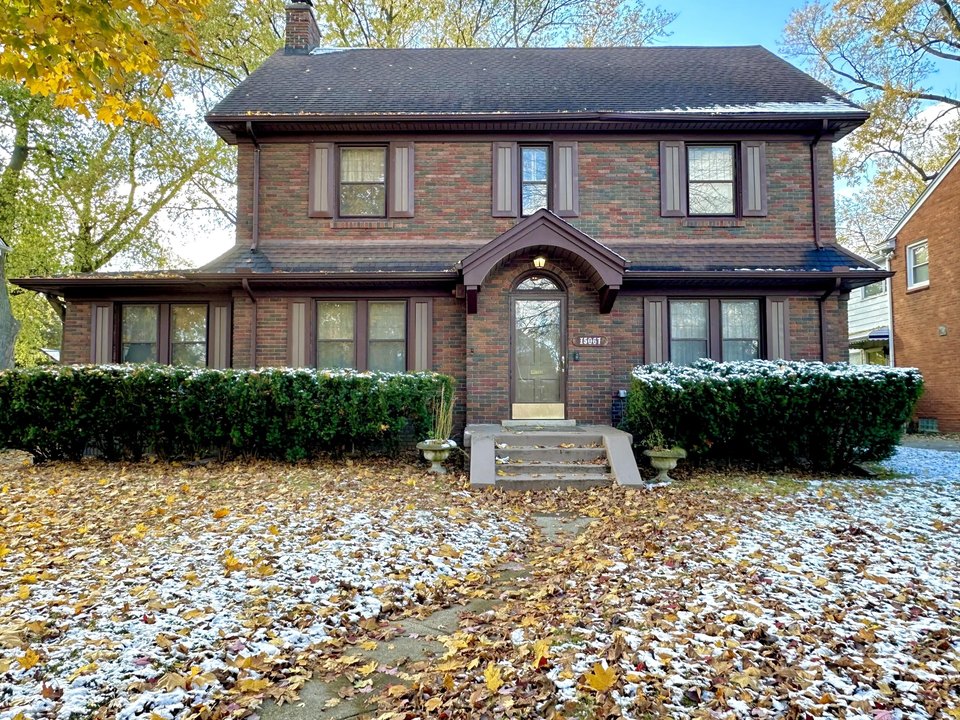
The University of Michigan and its health system anchor Ann Arbor's commercial base, and that anchor keeps replacement inventory thin. An investor identifying an Ann Arbor property for a 1031 exchange is underwriting against a genuinely short list, not comparing a wide field of listings, so the identification work has to start early and carry real backup candidates.
Downtown and State Street Price on Scarcity, Not Comps
Downtown Ann Arbor and the State Street corridor carry retail and mixed-use buildings that rarely turn over, and when they do the asking price reflects replacement-cost economics more than a trailing rent roll. A four-thousand-square-foot storefront near State Street can list at a premium that would look aggressive in a suburban Oakland County corridor, and the appraisal still has to justify that number against actual in-place income rather than the university's presence alone.
Buyers should budget for a longer marketing period if they are selling into this corridor, and a compressed shopping window if they are buying, because inventory this scarce rarely sits on the market long enough to negotiate from a position of leverage.
Because so few comparable sales close in a given year, a broker's opinion of value should be checked against at least one independent appraisal before the property is added to the identification list, since a single outlier sale can otherwise set an unrealistic benchmark for the whole corridor. Buyers should also confirm whether the asking price already assumes a near-term rent increase that hasn't been signed yet.
Medical Office Along Washtenaw Avenue Runs a Longer Lease Ledger
Medical and clinical office space along Washtenaw Avenue and the Packard corridor tends to carry longer lease terms and higher tenant-improvement build-out costs than standard office space, tied to the healthcare systems anchored near the university. A replacement candidate in this category should be underwritten with its tenant-improvement reserve and lease-rollover schedule laid out year by year, not averaged into one blended cap-rate figure.
A single large healthcare tenant's renewal decision can move a small medical building's income more than any market-wide trend, so that concentration needs to be visible in the underwriting file before the property is identified.
Multifamily Near Campus Runs on the Academic Calendar
Multifamily assets close to campus lease on an August-to-August cycle rather than the rolling turnover most markets see, and that changes the maintenance budget line by line. Unit turns concentrate into a six-to-eight week window, so paint, carpet, and appliance-replacement reserves need to be sized for a compressed labor and materials push rather than spread evenly across twelve months.
An investor comparing an Ann Arbor multifamily property against a suburban Detroit-metro apartment building should request two years of itemized turn-cost detail, not only the trailing occupancy rate.
Building the Identification List Under a Scarcity Constraint
Because Ann Arbor's institutional-grade inventory is so limited, the identification list should be organized by property type before it is narrowed by address.
- Retail and mixed-use near downtown and the State Street corridor
- Medical office along Washtenaw Avenue and Packard
- Multifamily walkable to campus, underwritten on academic-cycle turnover
- Flex or lab-adjacent space serving healthcare and university-affiliated tenants
Financing a Thin Market on a Fixed Clock
Lenders underwriting Ann Arbor replacement candidates lean on trailing twelve-month financials and a signed rent roll rather than pro forma projections, because appraisals in a scarce market can lag the asking price by months. An investor working inside the forty-five-day identification window should get preliminary lender feedback on at least two candidates before the deadline, since a lender's read on debt-service coverage can eliminate a property from the list faster than a seller's counter-offer will.
Getting that feedback early also gives the qualified intermediary and the investor's tax advisor time to confirm the numbers still support a full exchange before identification language is finalized.
Investors using an improvement exchange to fund tenant build-out inside a downtown Ann Arbor property should confirm with the qualified intermediary how construction draws will be documented and disbursed, since a scarce market gives sellers little incentive to wait on a slow-moving improvement schedule. That documentation also matters if the investor's tax advisor later needs to substantiate the exchange's basis.
Common 1031 Exchange Questions
Why do Ann Arbor replacement properties often price above what a similar Oakland County asset would command?
Ann Arbor's institutional-grade retail, medical, and multifamily inventory near the university and health system rarely turns over, so pricing reflects replacement-cost economics in a scarce market rather than a wide comparable set. That premium is real, but it still has to be tested against the property's actual trailing income before it is identified as a replacement. Confirming that premium against actual trailing income, not the university's reputation, with your tax advisor and qualified intermediary before the identification deadline keeps the exchange on a defensible footing.
How should you budget for turnover in a campus-adjacent multifamily building?
Plan for unit turns to concentrate into a six-to-eight week window between academic years rather than spreading evenly across twelve months, and size paint, carpet, and appliance reserves for that compressed push. Ask the seller for two years of itemized turn costs rather than relying on the trailing occupancy rate alone. That detail also helps your qualified intermediary confirm the property still supports the exchange's basis and depreciation assumptions going into the next lease cycle.
What should you ask about a Washtenaw Avenue medical office lease before identifying the property?
Get the lease-rollover schedule and the tenant-improvement reserve broken out year by year rather than blended into one cap-rate number. A single large healthcare tenant's renewal decision can move a small medical building's income more than any broader market trend. Ask for that detail in writing so the qualified intermediary has a clear record if the tenant's renewal timing shifts before closing.
Should your backup identification candidate be outside Washtenaw County?
Usually yes. Ann Arbor's scarce inventory means a second local candidate may compete for the same narrow buyer pool as your primary choice. A backup in a different Oakland or Wayne County submarket gives you a genuinely independent option if the deal slows before the 180-day exchange period runs out. Naming that backup formally in your identification notice, rather than treating it as an informal fallback, is what actually protects the exchange if the primary Ann Arbor candidate falls through.
How much lead time should you build in for financing in a market this thin?
Get preliminary lender feedback on at least two candidates before your 45-day identification deadline. Appraisals can lag the asking price in a scarce market, so that feedback needs to come early enough for your qualified intermediary and tax advisor to adjust the plan if needed. A qualified intermediary cannot fix a financing shortfall after the fact, so this coordination has to happen while there is still time to identify a different property.